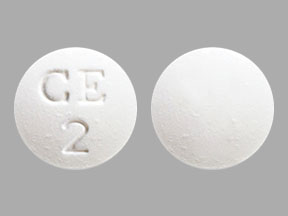
Calcium Acetate
Calcium Acetate 667MG
What is Calcium Acetate?
Calcium acetate is a phosphate binder used to control hyperphosphatemia (elevated phosphate levels) in patients with chronic kidney disease. By binding to dietary phosphate in the gastrointestinal tract, it reduces phosphate absorption, helping to maintain proper mineral balance and prevent complications associated with high phosphate levels. Often prescribed for individuals on dialysis, calcium acetate aids in preventing bone disorders and cardiovascular issues linked to kidney dysfunction.Side Effects
- Allergic reaction: Itching or hives, swelling in your face or hands, swelling or tingling in your mouth or throat, chest tightness, trouble breathing
- Constipation, loss of appetite, nausea, vomiting
- Confusion
Warnings
- This medicine can cause hypercalcemia (too much calcium in your blood). Do not take other calcium supplements or eat foods that have large amounts of calcium (such as milk, cheese, and yogurt) while you are taking this medicine.
- Your doctor will check your progress and the effects of this medicine at regular visits. Keep all appointments.
- Tell your doctor if you are pregnant or breastfeeding.
- Keep all medicine out of the reach of children. Never share your medicine with anyone.
Prescription savings · · · ·
What is Calcium Acetate ?
Calcium acetate is a phosphate binder used to control hyperphosphatemia (elevated phosphate levels) in patients with chronic kidney disease. By binding to dietary phosphate in the gastrointestinal tract, it reduces phosphate absorption, helping to maintain proper mineral balance and prevent complications associated with high phosphate levels. Often prescribed for individuals on dialysis, calcium acetate aids in preventing bone disorders and cardiovascular issues linked to kidney dysfunction.- Allergic reaction: Itching or hives, swelling in your face or hands, swelling or tingling in your mouth or throat, chest tightness, trouble breathing
- Constipation, loss of appetite, nausea, vomiting
- Confusion
- This medicine can cause hypercalcemia (too much calcium in your blood). Do not take other calcium supplements or eat foods that have large amounts of calcium (such as milk, cheese, and yogurt) while you are taking this medicine.
- Your doctor will check your progress and the effects of this medicine at regular visits. Keep all appointments.
- Tell your doctor if you are pregnant or breastfeeding.
- Keep all medicine out of the reach of children. Never share your medicine with anyone.
Calcium Acetate Coupons & Prices
Calcium Acetate 667MG

4 ED medications in one dose
Sildenafil, tadalafil, PT-141 & L-Citrulline · Works in ~15 min · Lasts up to 36 hours
Calcium Acetate prices by dosage
Lowest cash price with a free Rx.com coupon vs. the average retail price.
| Dosage | Quantity | Retail price | Rx.com price |
|---|---|---|---|
| 667mg · Tablet | 90 | $76.59 | $17.17 |
Cash prices near ZIP 77433; updated regularly. Actual pharmacy price may vary.
Related Drugs
Browse more medications: starting with C · full A-Z directory · by condition · common drugs
Medical disclaimer: This information is provided for general educational purposes only and is not medical advice. It is not a substitute for professional diagnosis or treatment. Always consult a licensed physician, pharmacist, or other qualified healthcare provider before starting, stopping, or changing any medication or treatment. Never disregard professional medical advice or delay seeking it because of something you read here. If you think you may have a medical emergency, call your doctor or 911 immediately.


