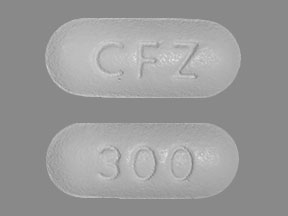
Invokana
Invokana 300MG
What is Invokana?
Invokana treats type 2 diabetes. There is not currently a generic version of Invokana available on the market. On average, Invokana 300 mg tablets cost $542 for a supply of 30. Luckily, there are ways to save money. Present your Rx.com coupon card to the pharmacist when picking up your prescription for instant cost savings.Side Effects
- Pain, tenderness, redness, or swelling of the area between the anus and genitals, fever, unusual tiredness or weakness
- Pain, tenderness, sores or ulcers, or infections on the leg or foot
- Fast or trouble breathing, stomach pain, nausea, vomiting
Warnings
- Tell your doctor if you are pregnant. Do not use this medicine during the second and third part of your pregnancy, unless your doctor tells you to.
- Do not breastfeed during treatment with this medicine.
- Tell your doctor if you have kidney disease, liver disease, blood vessel disease, nerve problems, type 1 diabetes, an infection, or a history of pancreas problems, genital yeast or urinary tract infections, leg surgery, or foot ulcers. Tell your doctor if you are on a low-salt diet, if you drink alcohol, or if you are having a surgery or other procedures.
- This medicine may cause the following problems: Increased risk for leg, toe, or midfoot amputation (removal)Low blood pressureKetoacidosis (high ketones and acid in the blood), which can be life-threateningKidney problemsIncreased risk of genital yeast or urinary tract infections (including pyelonephritis, urosepsis)Low blood sugar, when used with other diabetes medicinesFournier's gangrene (skin or tissue damage of the area between the anus and genitals)Increased risk of broken bones
- Tell any doctor or dentist who treats you that you are using this medicine. You may need to stop using this medicine several days before you have surgery or medical tests.
Prescription savings · · · ·
What is Invokana ?
Invokana treats type 2 diabetes. There is not currently a generic version of Invokana available on the market. On average, Invokana 300 mg tablets cost $542 for a supply of 30. Luckily, there are ways to save money. Present your Rx.com coupon card to the pharmacist when picking up your prescription for instant cost savings.- Pain, tenderness, redness, or swelling of the area between the anus and genitals, fever, unusual tiredness or weakness
- Pain, tenderness, sores or ulcers, or infections on the leg or foot
- Fast or trouble breathing, stomach pain, nausea, vomiting
- Increased hunger, headache, confusion, shaking, trembling, sweating
- Allergic reaction: Itching or hives, swelling in your face or hands, swelling or tingling in your mouth or throat, chest tightness, trouble breathing
- Change in how much or how often you urinate, bloody urine, painful or difficult urination, lower back or side pain, chills
- Confusion, severe weakness, uneven heartbeat, numbness in your hands, feet, or lips
- Lightheadedness, dizziness, fainting
- Rapid weight gain, swelling in your hands, ankles, or feet
- Tell your doctor if you are pregnant. Do not use this medicine during the second and third part of your pregnancy, unless your doctor tells you to.
- Do not breastfeed during treatment with this medicine.
- Tell your doctor if you have kidney disease, liver disease, blood vessel disease, nerve problems, type 1 diabetes, an infection, or a history of pancreas problems, genital yeast or urinary tract infections, leg surgery, or foot ulcers. Tell your doctor if you are on a low-salt diet, if you drink alcohol, or if you are having a surgery or other procedures.
- This medicine may cause the following problems: Increased risk for leg, toe, or midfoot amputation (removal)Low blood pressureKetoacidosis (high ketones and acid in the blood), which can be life-threateningKidney problemsIncreased risk of genital yeast or urinary tract infections (including pyelonephritis, urosepsis)Low blood sugar, when used with other diabetes medicinesFournier's gangrene (skin or tissue damage of the area between the anus and genitals)Increased risk of broken bones
- Tell any doctor or dentist who treats you that you are using this medicine. You may need to stop using this medicine several days before you have surgery or medical tests.
- Tell any doctor or dentist who treats you that you are using this medicine. This medicine may affect certain medical test results.
- Your doctor will do lab tests at regular visits to check on the effects of this medicine. Keep all appointments.
- Keep all medicine out of the reach of children. Never share your medicine with anyone.
Invokana Coupons & Prices
Invokana 300MG
Looking for an Invokana coupon? Invokana (canagliflozin) is brand-only at the pharmacy counter: a generic canagliflozin has been FDA-approved, but it is not yet sold in US pharmacies because of patent protection, so the price you pay is worth comparing carefully. Rx.com's free cash-price coupon is accepted at pharmacies nationwide and can be used whether you have no insurance, have Medicare, or were turned down for the manufacturer's savings card. Enter your ZIP code above to see today's price for your strength and quantity at pharmacies near you.
What is Invokana and how does it work?
Invokana is the brand name for canagliflozin, a sodium-glucose co-transporter 2 (SGLT2) inhibitor. SGLT2 inhibitors work in the kidneys. Normally the kidneys filter sugar out of the blood and then reabsorb most of it back. Canagliflozin blocks part of that reabsorption, so extra sugar leaves the body in the urine instead. Because of how it works, your urine will test positive for glucose while you take it. That is an expected effect of the medicine, not a sign something is wrong.
Invokana is FDA-approved as an addition to diet and exercise to improve blood sugar control in adults with type 2 diabetes. It is also approved to reduce the risk of major cardiovascular events (cardiovascular death, nonfatal heart attack, nonfatal stroke) in adults with type 2 diabetes and established cardiovascular disease, and to reduce the risk of end-stage kidney disease, doubling of serum creatinine, cardiovascular death, and hospitalization for heart failure in adults with type 2 diabetes and diabetic nephropathy with albuminuria. It is not indicated for type 1 diabetes and is not used to treat diabetic ketoacidosis. Canagliflozin is also sold combined with metformin as Invokamet and Invokamet XR.
Manufacturer savings card vs. the Rx.com cash coupon
Invokana's manufacturer runs an official savings program, described on the brand's own website (Invokana.com). Like most brand copay cards, it is generally limited to people with commercial (private) insurance, and it typically excludes patients with Medicare, Medicaid, TRICARE, or other government coverage, as well as the uninsured. Eligibility rules, benefit amounts, and expiration terms vary and change over time, so read the current terms on the manufacturer's site before you count on it. The manufacturer also points patients toward patient-assistance and cost-support options for those who do not qualify for the card; those programs have their own income and coverage requirements.
The Rx.com coupon is different. It is a cash-price discount, not insurance and not a copay card, so it is available to people the manufacturer card usually turns away: the uninsured, people on Medicare, and anyone whose card was declined at the counter. You cannot combine a cash coupon with your insurance on the same fill, so it is worth pricing both ways. Prices vary quite a bit from pharmacy to pharmacy, even within the same town, so enter your ZIP above to see today's price for your exact strength and quantity and compare before you fill.
Is there a generic, and what are the alternatives?
A generic canagliflozin has been FDA-approved, but it is not yet sold in US pharmacies because of patent protection, so Invokana is brand-only at the counter today and there is no cheaper substitutable version to ask your pharmacist for. (Generic availability and substitution also depend on your state's pharmacy law and the generic's FDA therapeutic-equivalence rating.) That is the single biggest reason Invokana's cash price stays high compared with older diabetes medicines. If cost is the problem, the conversation to have with your prescriber is whether a different medication fits your situation. This is a fast-moving area; information here was reviewed in July 2026, and your pharmacist can tell you what is actually stocked today.
- Farxiga (dapagliflozin) is another SGLT2 inhibitor, and it is the one that has changed on cost. The FDA approved the first generic dapagliflozin tablets in April 2026, and generic dapagliflozin is now sold in US pharmacies, though supply can still vary by pharmacy while manufacturers ramp up. If cost is your main concern, this is worth raising with your prescriber and pricing at your own pharmacy.
- Jardiance (empagliflozin) is also an SGLT2 inhibitor and remains brand-only; there is no generic empagliflozin sold in the US, and patent protection is expected to keep one off the market for years. Jardiance and Farxiga both carry broader approvals than Invokana, including uses in heart failure and chronic kidney disease in people without type 2 diabetes. Invokana's kidney and heart approvals are limited to adults who have type 2 diabetes.
- Steglatro (ertugliflozin) is another SGLT2 inhibitor option.
- Metformin is the long-standing first-line type 2 diabetes medicine and is available as a generic.
- Combination products pair an SGLT2 inhibitor with metformin: Invokamet (canagliflozin), Xigduo XR (dapagliflozin), and Synjardy (empagliflozin).
These medicines are not interchangeable, and switching is a decision for your prescriber, not something a coupon page can decide for you. Prices differ by drug and by pharmacy, so compare before assuming one is the cheaper path.
Safety information you should know
Invokana does not carry a boxed warning. The FDA removed the boxed warning about lower-limb amputation in August 2020 after reviewing the data. Amputation risk is still described in the Warnings and Precautions section of the label, and patients should check their feet and legs regularly and tell their doctor about new pain, tenderness, sores, ulcers, or signs of infection.
Other important warnings on the label include diabetic ketoacidosis, which can happen even when blood sugar is normal or only mildly elevated (risk goes up with illness, surgery, very low carbohydrate intake, alcohol, or a reduced insulin dose); volume depletion and low blood pressure, especially in older adults, people on loop diuretics, and those with kidney disease; serious urinary tract infections including urosepsis and pyelonephritis; genital yeast infections; rare necrotizing fasciitis of the perineum (Fournier gangrene); increased risk of bone fracture and lower bone mineral density; hyperkalemia; increased LDL cholesterol; and serious allergic reactions such as rash, hives, or swelling. Low blood sugar can occur when Invokana is taken with insulin or a sulfonylurea, and your doctor may lower the dose of those medicines. Dosing is limited or not recommended at low kidney function per the current label, and canagliflozin interacts with UGT enzyme inducers such as rifampin, phenytoin, phenobarbital, and ritonavir. Invokana should be held before major surgery or a prolonged fast. This is a summary, not medical advice, and not a complete list. Talk with your doctor or pharmacist about your own situation and read the medication guide that comes with your prescription.
This Invokana information was written and reviewed against authoritative U.S. medical sources — MedlinePlus (U.S. National Library of Medicine), DailyMed, and FDA prescribing information — and checked for accuracy. It is provided for education and is not a substitute for professional medical advice.
Verify the official label: Invokana on DailyMed (FDA)
Reviewed against FDA labeling · Last reviewed July 2026
Browse more medications: starting with I · full A-Z directory · by condition · common drugs
Medical disclaimer: This information is provided for general educational purposes only and is not medical advice. It is not a substitute for professional diagnosis or treatment. Always consult a licensed physician, pharmacist, or other qualified healthcare provider before starting, stopping, or changing any medication or treatment. Never disregard professional medical advice or delay seeking it because of something you read here. If you think you may have a medical emergency, call your doctor or 911 immediately.