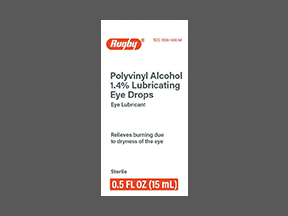
Polyvinyl Alcohol
Polyvinyl Alcohol 15ML of 1.4%
What is Polyvinyl Alcohol?
Polyvinyl alcohol (PVA) is a synthetic polymer used extensively as a pharmaceutical excipient, particularly as a film coating or binder in tablet formulations. It is highly praised for its excellent film-forming, emulsifying, and adhesive properties, enhancing the stability and release profiles of active pharmaceutical ingredients. Additionally, PVA is known for its biocompatibility and non-toxic nature, making it suitable for various topical and ocular applications in the medical field.Side Effects
- Eye irritation
- Blurred vision
- Eye redness
Warnings
- Do not use if you are allergic to polyvinyl alcohol or any other ingredient in the product.
- Consult your doctor before using if you are pregnant or breastfeeding.
- Do not use the product if the solution changes color or becomes cloudy.
- Keep out of reach of children.
Prescription savings · · · ·
What is Polyvinyl Alcohol ?
Polyvinyl alcohol (PVA) is a synthetic polymer used extensively as a pharmaceutical excipient, particularly as a film coating or binder in tablet formulations. It is highly praised for its excellent film-forming, emulsifying, and adhesive properties, enhancing the stability and release profiles of active pharmaceutical ingredients. Additionally, PVA is known for its biocompatibility and non-toxic nature, making it suitable for various topical and ocular applications in the medical field.- Eye irritation
- Blurred vision
- Eye redness
- Eye discomfort
- Do not use if you are allergic to polyvinyl alcohol or any other ingredient in the product.
- Consult your doctor before using if you are pregnant or breastfeeding.
- Do not use the product if the solution changes color or becomes cloudy.
- Keep out of reach of children.
Polyvinyl Alcohol Coupons & Prices
Polyvinyl Alcohol 15ML of 1.4%
4 ED medications in one dose
Sildenafil, tadalafil, PT-141 & L-Citrulline · Works in ~15 min · Lasts up to 36 hours
Polyvinyl Alcohol prices by dosage
Lowest cash price with a free Rx.com coupon vs. the average retail price.
| Dosage | Quantity | Retail price | Rx.com price |
|---|---|---|---|
| 15ml of 1.4% · Bottle | 15 | $11.99 | $9.82 |
Cash prices near ZIP 77433; updated regularly. Actual pharmacy price may vary.
Related Drugs
Browse more medications: starting with P · full A-Z directory · by condition · common drugs
Medical disclaimer: This information is provided for general educational purposes only and is not medical advice. It is not a substitute for professional diagnosis or treatment. Always consult a licensed physician, pharmacist, or other qualified healthcare provider before starting, stopping, or changing any medication or treatment. Never disregard professional medical advice or delay seeking it because of something you read here. If you think you may have a medical emergency, call your doctor or 911 immediately.


