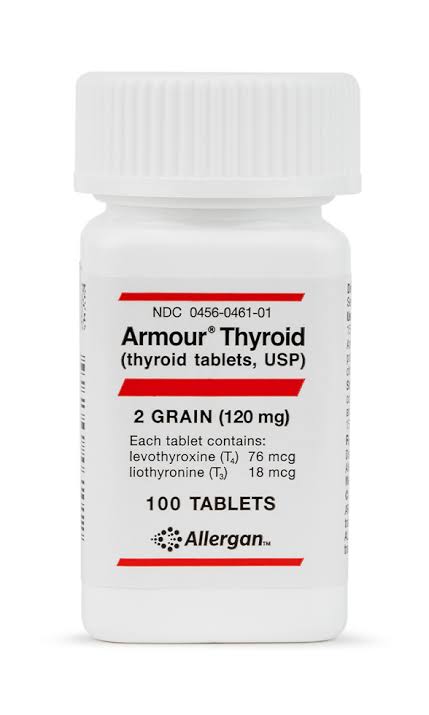
Thyroid
Thyroid 60MG
What is Thyroid?
Thyroid medication is used to treat thyroid disorders, primarily hypothyroidism, where the thyroid gland does not produce enough hormones. It typically contains levothyroxine, a synthetic hormone that replaces or provides more thyroid hormone, which is essential for regulating metabolism and energy. Correct usage helps to normalize body energy levels, growth, and overall metabolic rate.Side Effects
- Chest pain that may spread, trouble breathing, unusual sweating, fainting
- Fast or irregular heartbeat
- Leg cramps, headache, nervousness, irritability, tremors, fever, changes in menstrual periods
Warnings
- Tell your doctor if you are pregnant or breastfeeding, or if you have kidney disease, liver disease, heart or blood vessel disease, blood clotting problems, or diabetes.
- This medicine should not be used to treat obesity or as part of a treatment plan for a weight control program.
- Do not stop using this medicine suddenly. Your doctor will need to slowly decrease your dose before you stop it completely.
- Your doctor will do lab tests at regular visits to check on the effects of this medicine. Keep all appointments.
- Keep all medicine out of the reach of children. Never share your medicine with anyone.
Prescription savings · · · ·
What is Thyroid ?
Thyroid medication is used to treat thyroid disorders, primarily hypothyroidism, where the thyroid gland does not produce enough hormones. It typically contains levothyroxine, a synthetic hormone that replaces or provides more thyroid hormone, which is essential for regulating metabolism and energy. Correct usage helps to normalize body energy levels, growth, and overall metabolic rate.- Chest pain that may spread, trouble breathing, unusual sweating, fainting
- Fast or irregular heartbeat
- Leg cramps, headache, nervousness, irritability, tremors, fever, changes in menstrual periods
- Fast or irregular heartbeat
- Severe diarrhea
- Severe diarrhea or intense sweating
- Tell your doctor if you are pregnant or breastfeeding, or if you have kidney disease, liver disease, heart or blood vessel disease, blood clotting problems, or diabetes.
- This medicine should not be used to treat obesity or as part of a treatment plan for a weight control program.
- Do not stop using this medicine suddenly. Your doctor will need to slowly decrease your dose before you stop it completely.
- Your doctor will do lab tests at regular visits to check on the effects of this medicine. Keep all appointments.
- Keep all medicine out of the reach of children. Never share your medicine with anyone.
- Severe diarrhea or intense sweating
Thyroid Coupons & Prices
Thyroid 60MG
Weight-loss medication, prescribed online
Licensed U.S. providers · No insurance needed · Shipped to your door
Thyroid prices by dosage
Lowest cash price with a free Rx.com coupon vs. the average retail price.
| Dosage | Quantity | Retail price | Rx.com price |
|---|---|---|---|
| 15mg · Tablet | 90 | — | $67.18 |
| 30mg · Tablet | 90 | — | $78.01 |
| 60mg · Tablet | 90 | — | $86.11 |
| 90mg · Tablet | 90 | — | $125.54 |
| 120mg · Tablet | 90 | — | $142.36 |
Cash prices near ZIP 77433; updated regularly. Actual pharmacy price may vary.
Related Drugs
Browse more medications: starting with T · full A-Z directory · by condition · common drugs
Medical disclaimer: This information is provided for general educational purposes only and is not medical advice. It is not a substitute for professional diagnosis or treatment. Always consult a licensed physician, pharmacist, or other qualified healthcare provider before starting, stopping, or changing any medication or treatment. Never disregard professional medical advice or delay seeking it because of something you read here. If you think you may have a medical emergency, call your doctor or 911 immediately.


