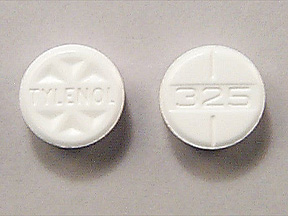
Tylenol
Tylenol 100 Tablets
What is Tylenol?
Acetaminophen, commonly known as paracetamol, is an over-the-counter analgesic and antipyretic medication used for relieving mild to moderate pain and reducing fever. It works by inhibiting the production of prostaglandins in the brain, which are chemicals responsible for inflammation and pain signaling. Acetaminophen is often preferred for patients who require analgesia without the gastrointestinal side effects associated with NSAIDs, although it should be used cautiously to avoid hepatotoxicity, especially in high doses or with chronic use.Side Effects
- Nausea
- Vomiting
- Headache
Warnings
- Do not exceed the recommended dosage.
- Avoid alcohol consumption while taking this medication.
- Keep out of reach of children.
- Consult with a healthcare provider if you have liver disease.
- Not recommended for use with other acetaminophen-containing products.
Prescription savings · · · ·
What is Tylenol ?
Acetaminophen, commonly known as paracetamol, is an over-the-counter analgesic and antipyretic medication used for relieving mild to moderate pain and reducing fever. It works by inhibiting the production of prostaglandins in the brain, which are chemicals responsible for inflammation and pain signaling. Acetaminophen is often preferred for patients who require analgesia without the gastrointestinal side effects associated with NSAIDs, although it should be used cautiously to avoid hepatotoxicity, especially in high doses or with chronic use.- Nausea
- Vomiting
- Headache
- Rash
- Insomnia
- Constipation
- Do not exceed the recommended dosage.
- Avoid alcohol consumption while taking this medication.
- Keep out of reach of children.
- Consult with a healthcare provider if you have liver disease.
- Not recommended for use with other acetaminophen-containing products.
- Seek immediate medical attention if you experience symptoms of a severe allergic reaction, such as difficulty breathing or swelling of the face.
Tylenol Coupons & Prices
Tylenol 100 Tablets
Related Drugs
Browse more medications: starting with T · full A-Z directory · by condition · common drugs
Medical disclaimer: This information is provided for general educational purposes only and is not medical advice. It is not a substitute for professional diagnosis or treatment. Always consult a licensed physician, pharmacist, or other qualified healthcare provider before starting, stopping, or changing any medication or treatment. Never disregard professional medical advice or delay seeking it because of something you read here. If you think you may have a medical emergency, call your doctor or 911 immediately.