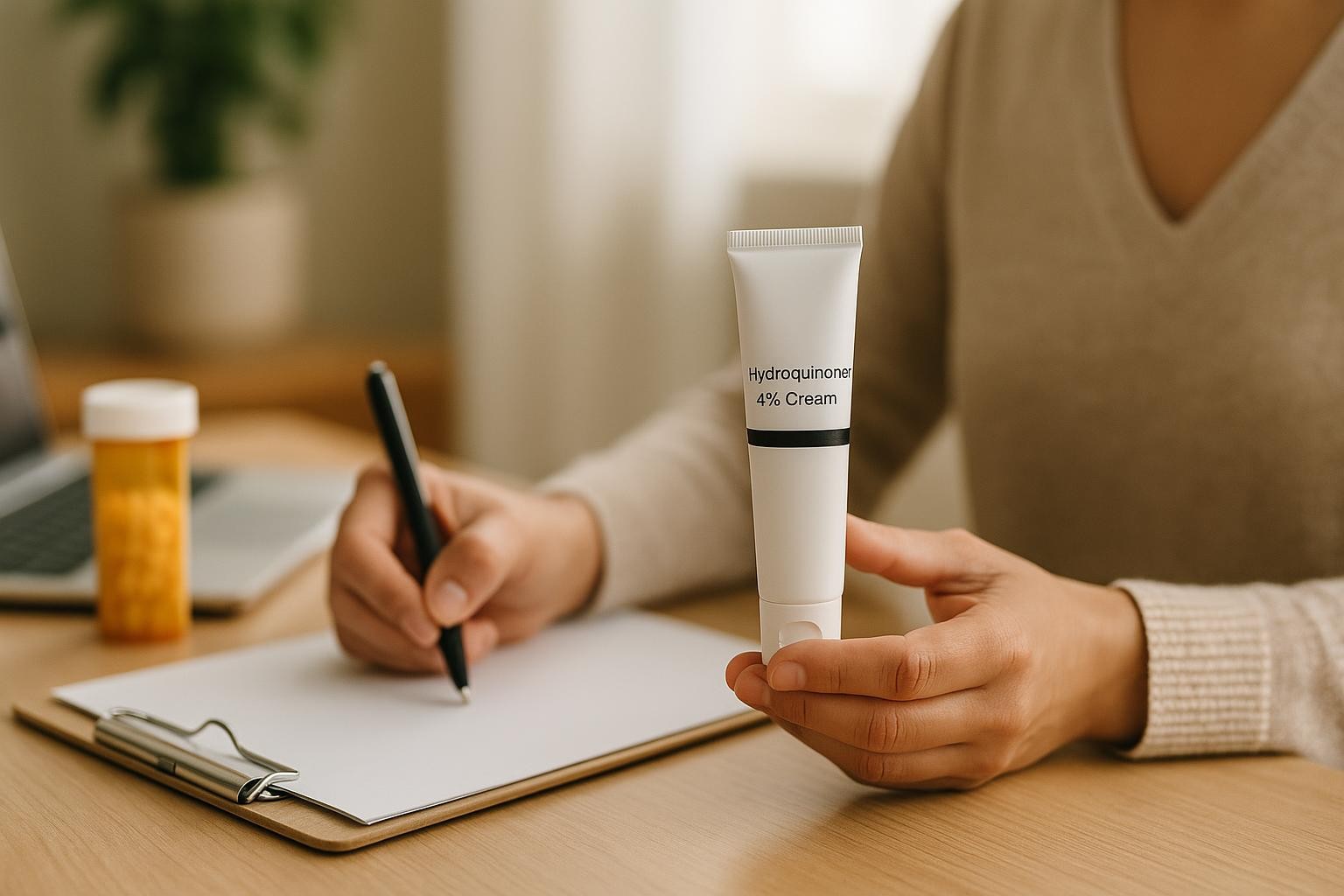
Impact-Site-Verification: 2721d812-1059-4270-b9fa-5c1654788cd1

Get weight loss treatment From $99/mo LegitScript certified Licensed U.S. pharmacy Licensed U.S. providers
Prescription skin lightening

Hydroquinone Cream for Melasma and Dark Spots

Hydroquinone is a common first treatment for melasma, sun spots and dark marks left after acne. It is prescription-only in the U.S., so the fastest way to get it is a short online visit with a licensed provider.

  • Fades dark patches by slowing new pigment
  • Combination creams that work faster, with less irritation
  • 100% online visit, no office trip
  • No insurance needed

Already have a prescription? Compare free coupon prices ↓

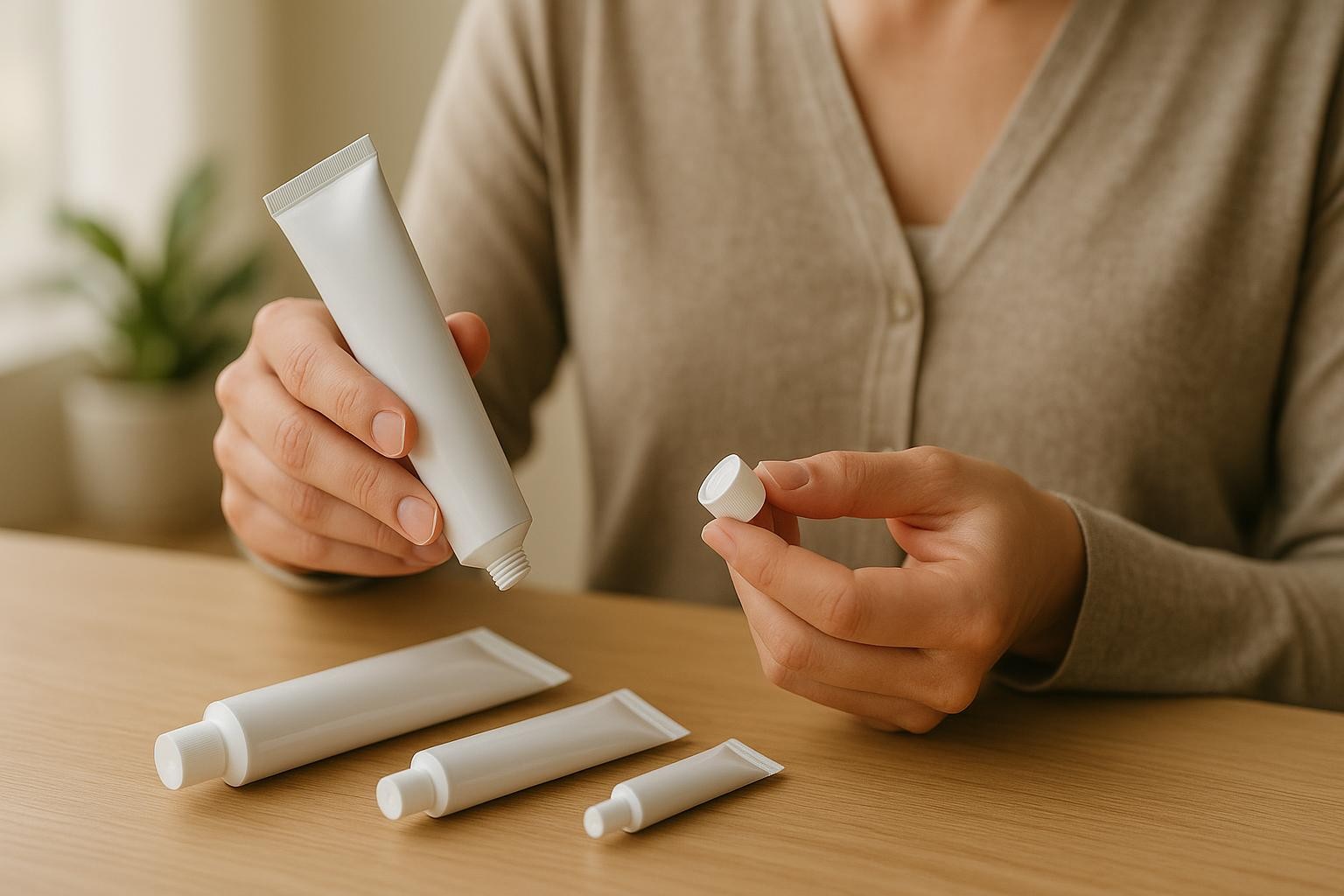
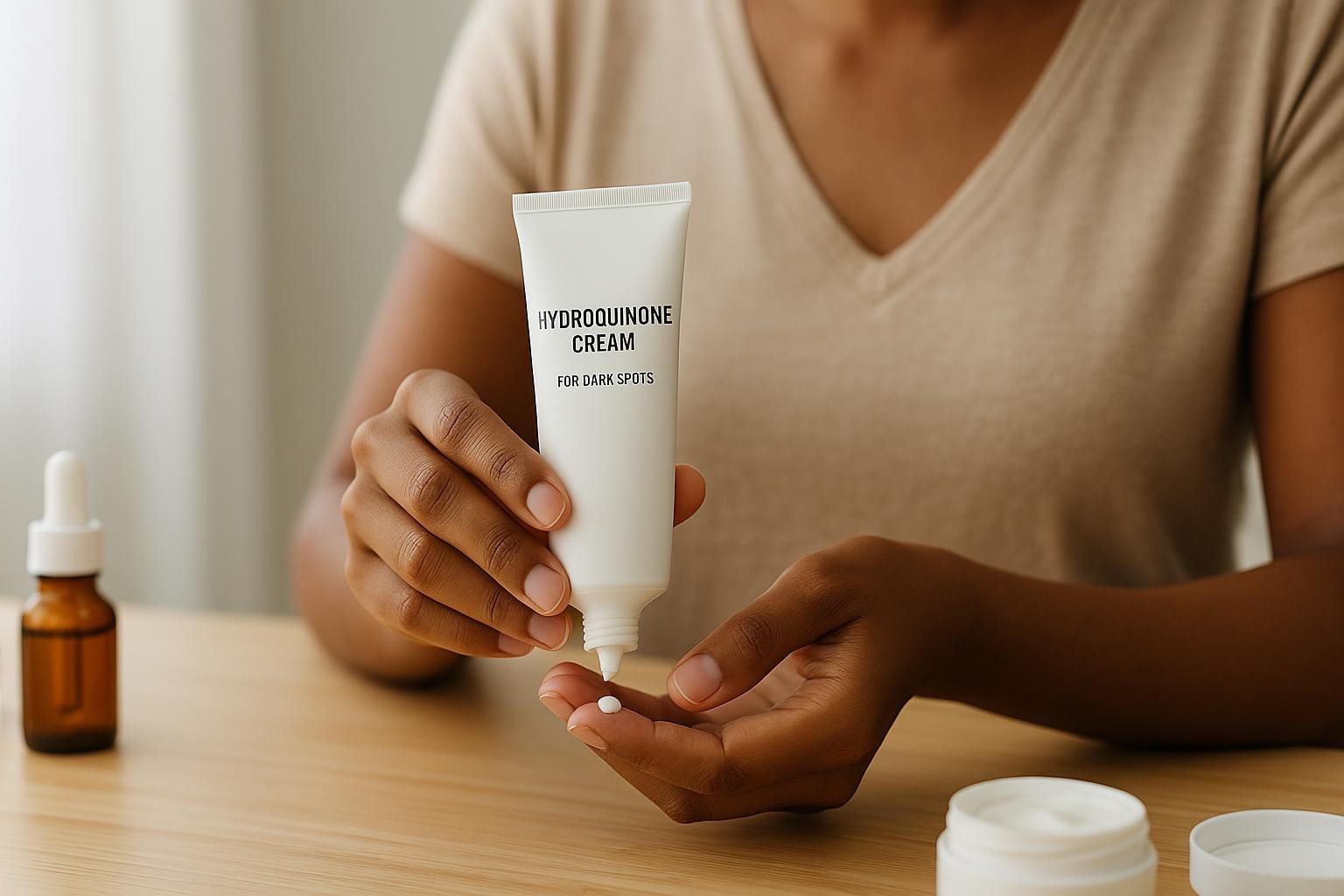
Prescription hydroquinone cream tube

Compounded hydroquinone

Rx.com Hydroquinone Creams

4 prescription formulas · 30 g tube, about a 30-day supply, applied once a day

Coming soon to Rx.com
  • Licensed U.S. providers
  • Prescription strength
  • Online visit
  • No insurance needed
Get It Now Through our partner pharmacy today. Pricing shown there before you pay.

What is hydroquinone?

A prescription cream that slows the pigment behind dark patches

Hydroquinone blocks tyrosinase, the enzyme skin cells use to make melanin. With less new pigment being made, dark patches fade gradually over weeks while normal skin turnover clears the old pigment.

Over-the-counter hydroquinone was taken off the U.S. market under the 2020 CARES Act reforms, so every hydroquinone product sold legally today needs a prescription. Read why OTC hydroquinone went away.

What hydroquinone is used for

It works on extra pigment, whatever caused it. These are the most common reasons people are prescribed it. It is not for moles, birthmarks or any spot that is changing; have those checked in person.
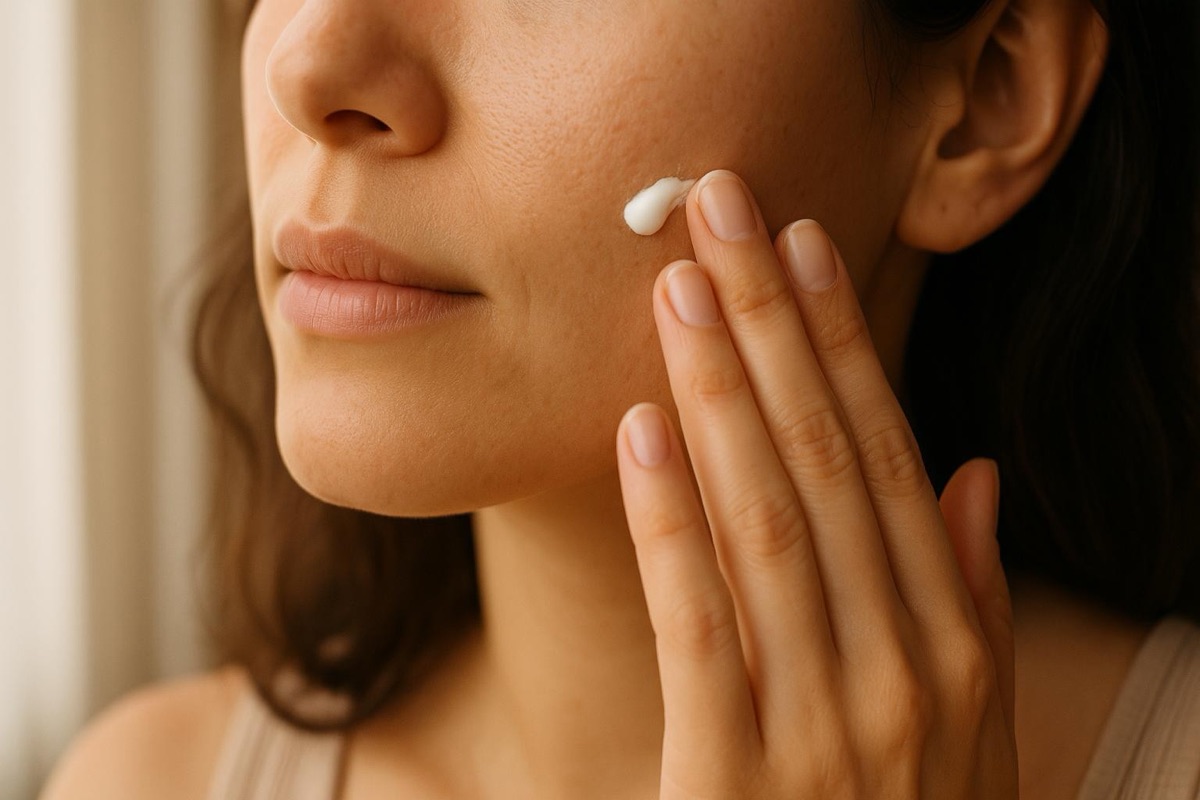
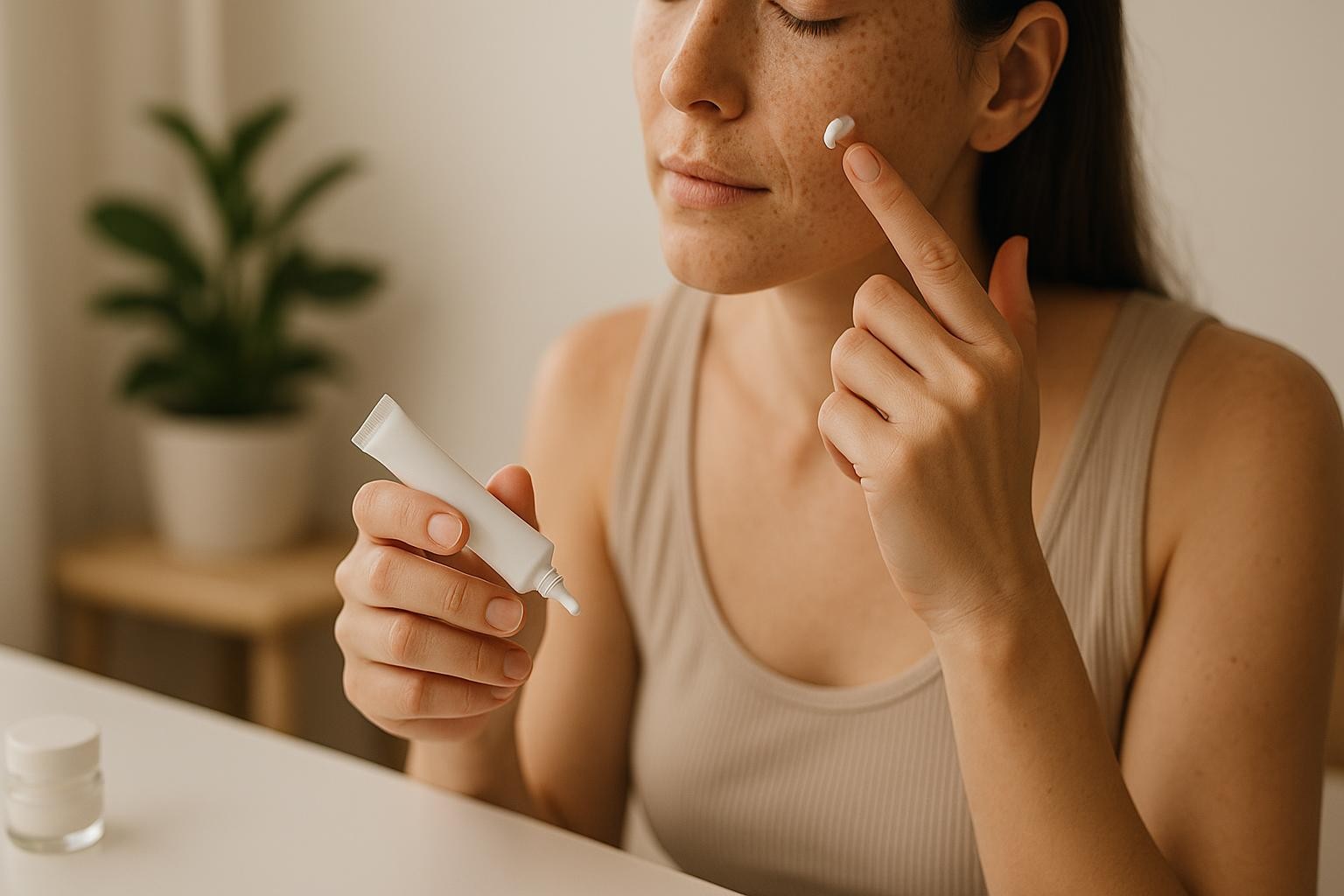
Fingertips applying cream to a cheek in soft window lightMelasma

Melasma

Brown-gray patches on the cheeks, forehead or upper lip, often triggered by hormones and sun.

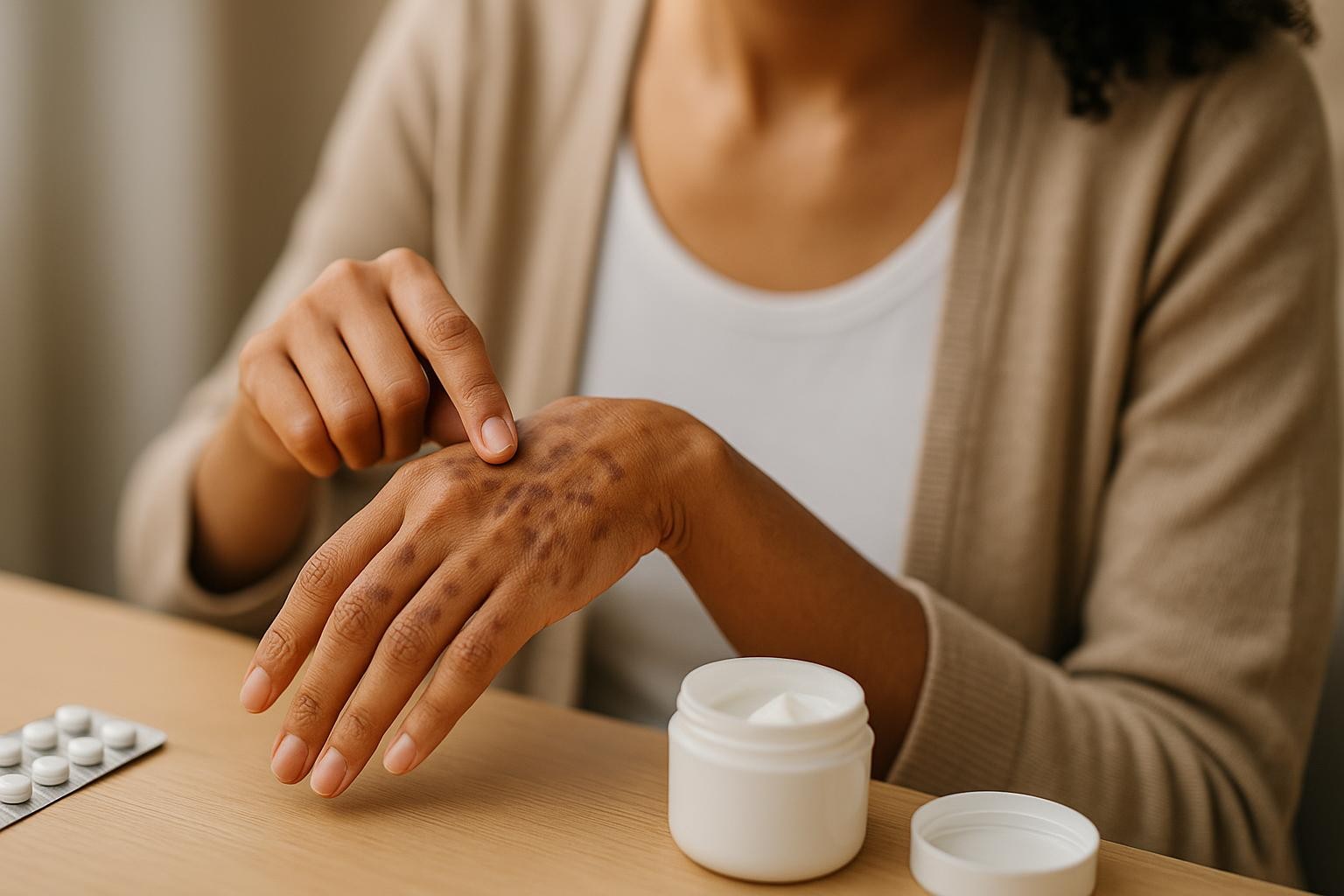
Hands of an older woman holding a coffee mug in the sunSun spots

Sun and age spots

Flat brown spots on the face, hands and chest from years of sun exposure.
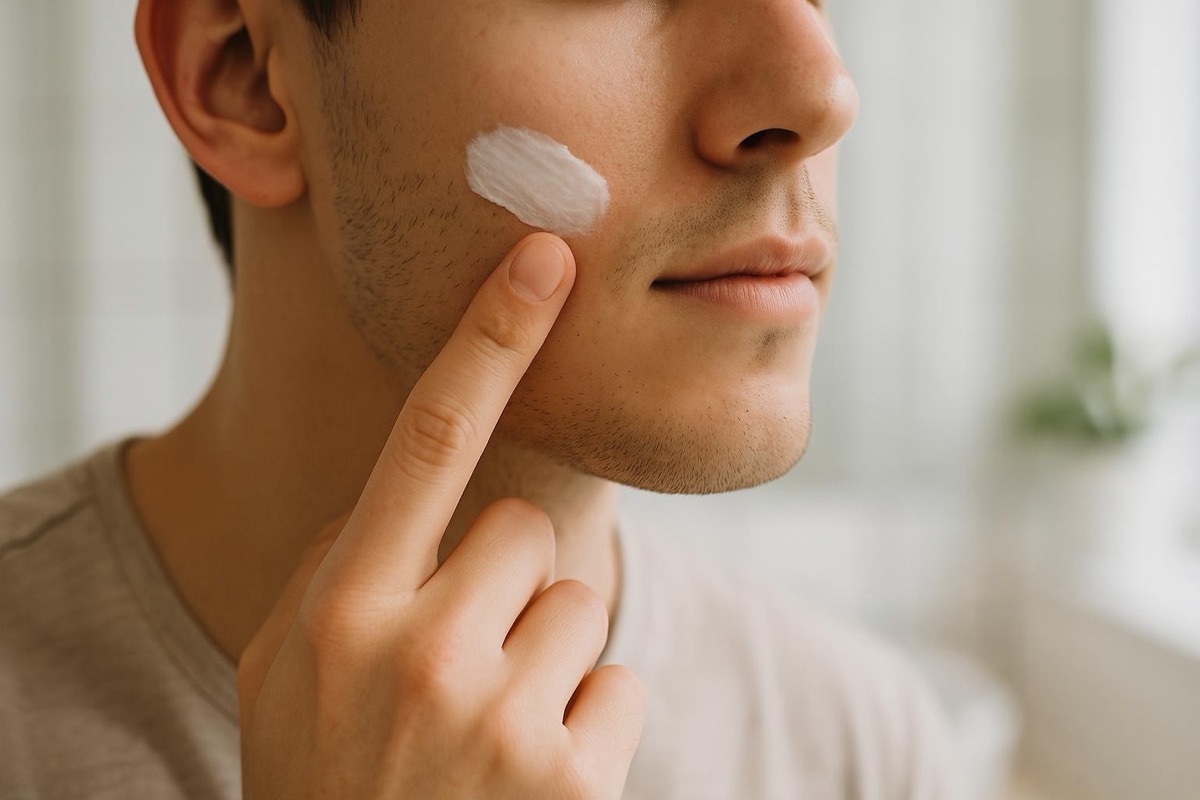
Fingertip applying a thin layer of cream along the jawlineAcne marks

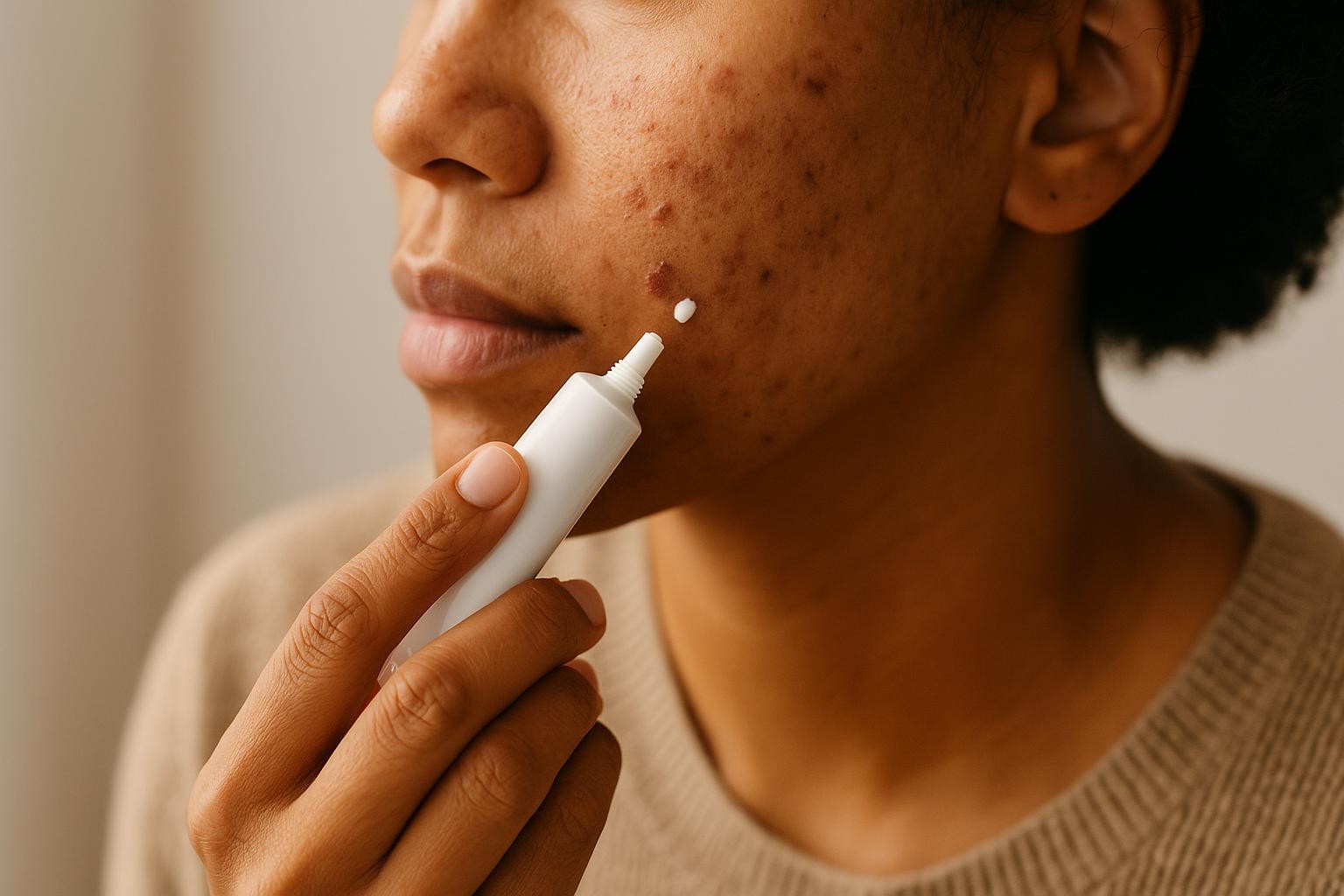
Dark marks after acne

The brown or purple marks a breakout or injury leaves behind after it heals.
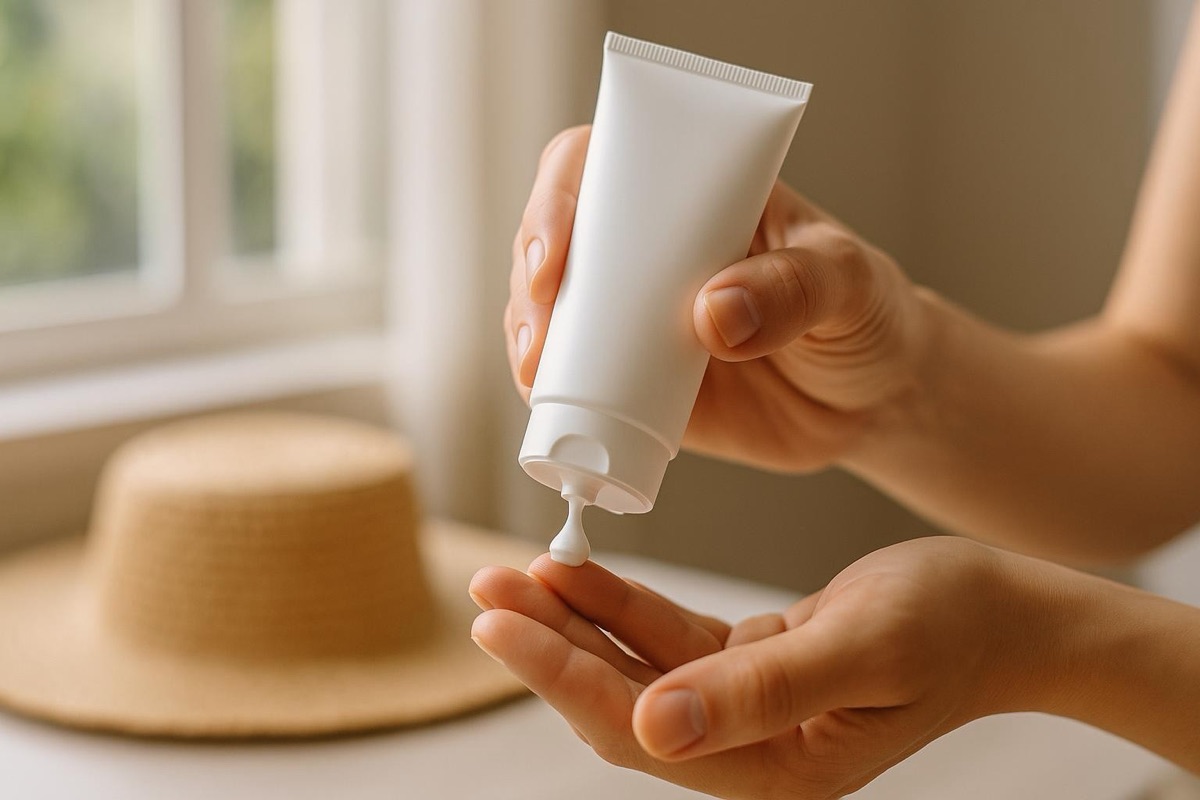
Sunscreen squeezed onto fingertips by a sunny windowUneven tone

Uneven skin tone

Patchy, blotchy color and darkened freckles, paired with daily sunscreen.

The formulas

Compounded hydroquinone creams, coming to Rx.com

Most dermatologists pair hydroquinone with other ingredients so it works faster and irritates less. Here is what each cream is used for and who it fits best. Your provider makes the final call and sets the strength for your skin.

1
Strongest combination

Hydroquinone / Tretinoin / Niacinamide / Hydrocortisone Cream

HydroquinoneTretinoinNiacinamideHydrocortisone

Used for: Stubborn or long-standing melasma and deeper dark patches that have not faded with simpler creams.

Best fit if you have
  • Melasma that came back or did not respond before
  • Skin that has used a retinoid before
  • A short, provider-supervised course

Skip it if: Pregnancy or trying to conceive (contains tretinoin). Not meant for long nonstop use because of the steroid.

30 g tube, about a 30-day supply, applied once a day

Coming soon to Rx.com
2
Strong, steroid-free

Hydroquinone / Tretinoin / Vitamin C / Niacinamide Cream

HydroquinoneTretinoinVitamin CNiacinamide

Used for: Melasma, sun spots and dark marks after acne, while the tretinoin also smooths rough texture.

Best fit if you have
  • Sun damage with uneven tone and texture
  • Acne-prone skin with leftover dark marks
  • Longer courses where you want to skip the steroid

Skip it if: Pregnancy or trying to conceive (contains tretinoin). Very sensitive skin may find it too strong at first.

30 g tube, about a 30-day supply, applied once a day

Coming soon to Rx.com
3
Gentle, retinoid-free

Hydroquinone / Vitamin C / Niacinamide Cream

HydroquinoneVitamin CNiacinamide

Used for: Sun spots, freckles that have darkened, mild melasma and dark marks on sensitive skin.

Best fit if you have
  • Your first skin-lightening cream
  • Sensitive or dry skin
  • Skin that gets red and peely with tretinoin

Skip it if: Deep or stubborn melasma, which may fade too slowly with a gentler formula.

30 g tube, about a 30-day supply, applied once a day

Coming soon to Rx.com
4
Two pigment blockers, no retinoid

Hydroquinone / Kojic Acid / Niacinamide Topical

HydroquinoneKojic acidNiacinamide

Used for: Age spots, patchy uneven tone and dark marks when you want more fading power without a retinoid.

Best fit if you have
  • Cannot use tretinoin but want more than the gentle formula
  • Age spots and patchy discoloration
  • Skin that finds tretinoin too drying

Skip it if: Anyone who has reacted to kojic acid or has very reactive skin; kojic acid can irritate.

30 g tube, about a 30-day supply, applied once a day

Coming soon to Rx.com

Compounded medications are prepared by a licensed pharmacy for an individual patient on a prescription. They are not FDA-approved, and they are not the same as any brand-name product.

Get It Now Through Our Partner Pharmacy Want ours? Rx.com's own creams are coming soon.

Which one fits you

Find your starting point

A quick guide to bring to your provider visit. Pregnancy, breastfeeding and very dark or very sensitive skin all change the answer, so share those up front.

If this sounds like youAsk your provider about
Stubborn melasma that came back or did not fade with simpler creamsHQ + tretinoin + niacinamide + hydrocortisone
Sun spots or acne marks, and you also want smoother textureHQ + tretinoin + vitamin C + niacinamide
Sensitive skin, or your first time trying a lightening creamHQ + vitamin C + niacinamide
You cannot use tretinoin but want more fading powerHQ + kojic acid + niacinamide
Pregnant, trying to conceive or breastfeedingTalk to your provider first; hydroquinone and tretinoin are usually avoided. Daily mineral sunscreen is the safe first step.
You already have a prescription for plain hydroquinone 4%Use a free coupon below; it is often the cheapest way to fill it.

Ingredient guide

What each ingredient does

Hydroquinone

The main pigment fader. It blocks tyrosinase, the enzyme skin uses to make melanin, so dark patches fade over weeks. Used in limited courses.

Tretinoin

A prescription retinoid. It speeds up skin turnover so pigmented cells shed faster, helps hydroquinone work, and smooths texture. Expect some dryness and peeling at first. Not for use in pregnancy.

Niacinamide

A form of vitamin B3. It limits how much pigment reaches the surface of the skin, supports the skin barrier and calms redness. Usually very well tolerated.

Vitamin C

An antioxidant that also interferes with pigment production and helps protect skin from sun-related damage. Can sting a little on sensitive skin.

Kojic acid

A second pigment blocker that works on the same enzyme as hydroquinone. Adds fading power without a retinoid; can irritate some skin.

Hydrocortisone

A mild steroid that calms the redness and stinging hydroquinone and tretinoin can cause. Meant for short courses, since long steroid use can thin facial skin.

What to expect, and when

Hydroquinone works gradually. This is the typical arc; melasma usually takes longer than sun spots.

  1. Weeks 1–4

    Skin adjusts

    Some redness, dryness or peeling is common at first, especially with tretinoin formulas.

  2. Weeks 4–8

    Spots start to fade

    Most people notice lighter, softer-edged patches as new pigment slows.

  3. Month 3+

    Fuller results

    Your provider reviews progress and moves you to a break or a maintenance plan.

Results vary and are not guaranteed. Daily sunscreen is what keeps them.
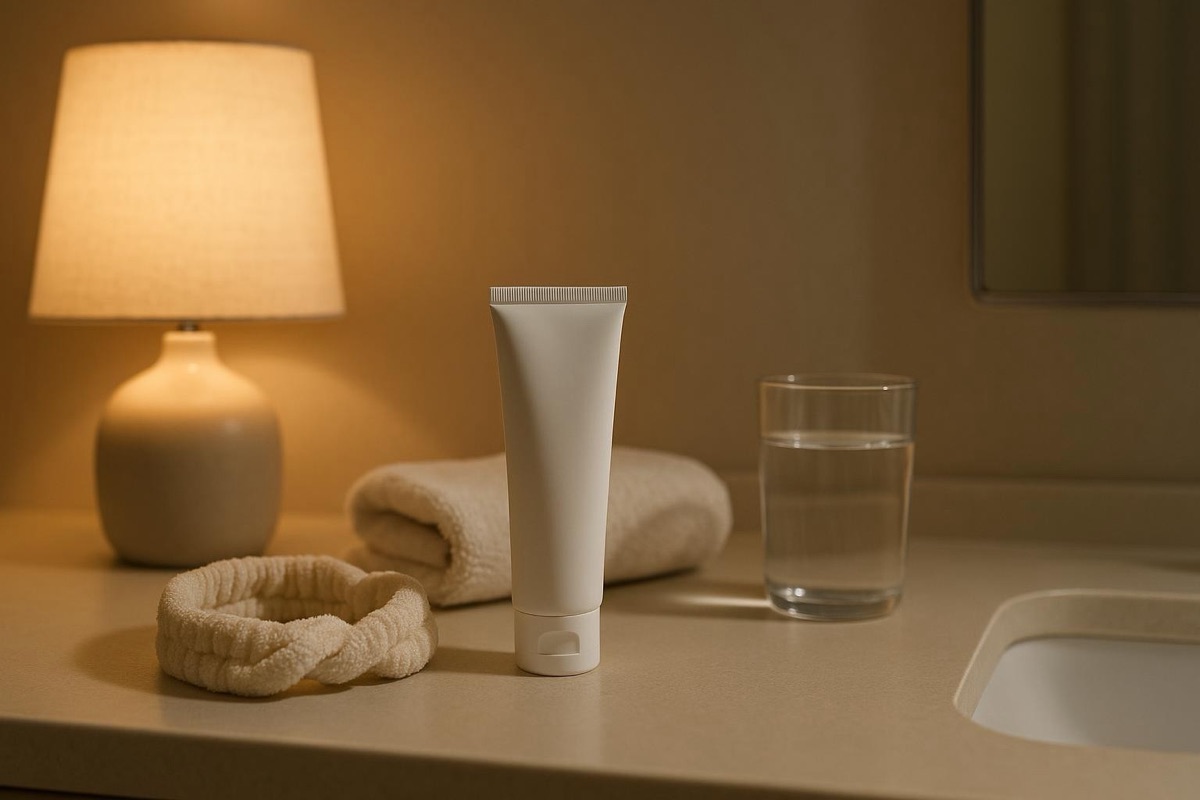
Bathroom vanity at night with a cream tube, towel and glass of water Once a day, at night

A simple nightly routine

A pea-sized amount covers the dark areas of the face. Use it in cycles your provider sets, rather than nonstop.

How to use it safely

  1. Patch test first on a small area for a day or two.
  2. Thin layer at night on clean, dry skin, only on the dark areas. Avoid eyes and lips.
  3. SPF 30+ every morning, even indoors near windows.
  4. Skip peroxides (like benzoyl peroxide) at the same time; together they can stain skin.

How it works
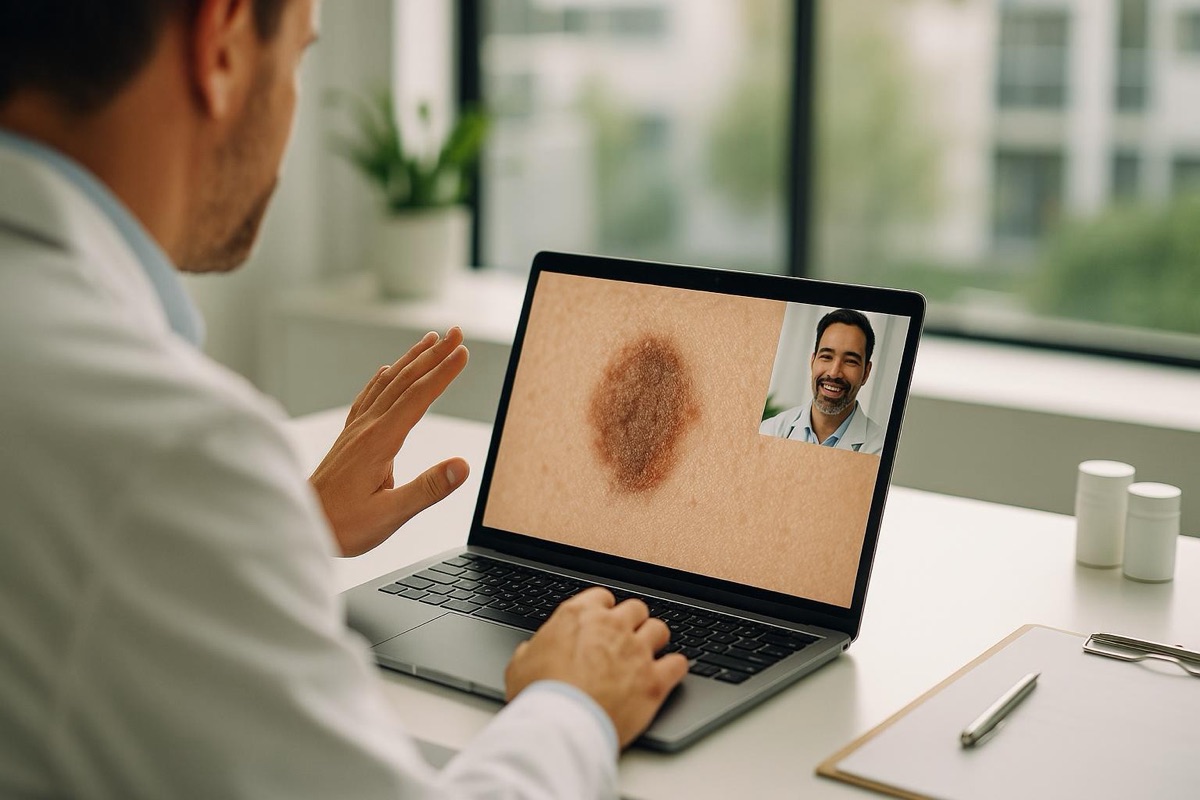
Provider reviewing a skin photo on a video call Licensed U.S. providers
1

Share your skin

Answer a few questions and upload photos of the areas you want to treat. No appointment needed.

2

Provider review

A licensed provider decides whether hydroquinone is right for you and which formula fits.

3

Start your routine

Your pharmacy fills it, and you check in with your provider on progress.

Important safety information

Common side effects are redness, dryness, peeling, stinging or itching where the cream is applied, especially in the first weeks or with tretinoin formulas. Tell your provider if they do not settle.

The rare but serious risk is exogenous ochronosis, a gradual blue-black or gray-brown darkening that the FDA notes may be permanent. It is linked mostly to long, continuous use and is reported more often in darker skin. Stop and contact your provider if treated skin gets darker instead of lighter. Get emergency care for blistering, swelling of the face or trouble breathing. Hydroquinone is usually avoided in pregnancy and while breastfeeding, and tretinoin formulas should not be used during pregnancy.

Hydroquinone FAQs

Do I need a prescription for hydroquinone?
Yes. Since the 2020 CARES Act reforms, the FDA treats over-the-counter hydroquinone skin lighteners as unapproved new drugs, so they can no longer be legally sold without a prescription. A licensed provider can prescribe it after an online visit.
How long does hydroquinone take to work?
Most people start to see dark spots fade after 4 to 8 weeks of nightly use, with fuller results around 3 months. Melasma responds more slowly than sun spots and tends to come back without daily sunscreen.
Is hydroquinone safe?
Used as prescribed for limited periods, hydroquinone is a long-standing dermatology treatment. The common side effects are redness, dryness and stinging. The rare but serious risk is exogenous ochronosis, a blue-black darkening linked mostly to long, continuous use, which is why providers use it in cycles and check in on your progress.
Can I use hydroquinone while pregnant or breastfeeding?
It is usually avoided. Formulas with tretinoin should not be used during pregnancy. Tell your provider if you are pregnant, trying to conceive or breastfeeding so they can suggest a safer option.
Are compounded hydroquinone creams FDA-approved?
No. Compounded creams are prepared by a licensed pharmacy for an individual patient on a prescription and are not FDA-approved. Their strength and ingredients are chosen by your prescriber.
I already have a hydroquinone prescription. What is cheapest?
If your prescription is for plain hydroquinone 4% cream, a free Rx.com coupon at a local pharmacy is often the cheapest way to fill it. Compare prices near you below.

Full guide: Hydroquinone for melasma: timeline, safety and cost

Ready to fade stubborn dark spots?

Start an online visit and a licensed provider will decide whether hydroquinone is right for your skin.

Get It Now Through Our Partner Pharmacy Rx.com's own hydroquinone creams are coming soon

Compounded medication: Hydroquinone creams are available only with a prescription from a licensed provider. Compounded medications are prepared by a licensed pharmacy and are not FDA-approved; the FDA has not evaluated them for safety, effectiveness or quality. Individual results vary.

Medical services: Clinical evaluations and prescribing decisions are made by licensed independent providers. Rx.com does not practice medicine. This page is for information and is not a substitute for professional medical advice.

Already have a prescription
Hydroquinone Tube — prescription drug image

Hydroquinone

Hydroquinone 28.35GM of 4%

Skin Care
Licensed US providers · Online visit in minutes

What is Hydroquinone?

Hydroquinone is a skin-lightening agent used in the treatment of conditions like hyperpigmentation, age spots, melasma, and freckles. It works by decreasing the formation of melanin in the skin, leading to lighter skin tones in treated areas. Hydroquinone is typically available in topical formulations and should be used under the guidance of a healthcare provider due to potential side effects like skin irritation or increased sensitivity to sunlight.

Prescription savings · · · ·

What is Hydroquinone ?

Hydroquinone is a skin-lightening agent used in the treatment of conditions like hyperpigmentation, age spots, melasma, and freckles. It works by decreasing the formation of melanin in the skin, leading to lighter skin tones in treated areas. Hydroquinone is typically available in topical formulations and should be used under the guidance of a healthcare provider due to potential side effects like skin irritation or increased sensitivity to sunlight.
  • Allergic reaction: Itching or hives, swelling in your face or hands, swelling or tingling in your mouth or throat, chest tightness, trouble breathing
  • Intense itching, blistering, swelling, or blue-black darkening of your skin
  • Tell your doctor if you are pregnant or breastfeeding, or if you have asthma.
  • Cover the treated skin with sunscreen or clothing.
  • Call your doctor if your symptoms do not improve or if they get worse.
  • Topical application routeDo not use this medicine to treat a skin problem your doctor has not examined.
  • Keep all medicine out of the reach of children. Never share your medicine with anyone.
What is hydroquinone cream used for? ▼
Hydroquinone cream is used to gradually lighten dark patches of skin caused by extra melanin. This includes melasma (chloasma), post-inflammatory hyperpigmentation left after acne or injury, solar lentigines (age or liver spots), freckles, and other uneven discoloration. Prescription strengths in the U.S. are 4% and 2% cream and 2% gel.
Is hydroquinone available over the counter? ▼
No. Over-the-counter hydroquinone was removed from the U.S. market under the 2020 CARES Act, effective September 23, 2020. Hydroquinone is now available only by prescription. Be cautious with unapproved or imported skin-lightening products, since the FDA has warned that some have been found contaminated with mercury.
How long can you safely use hydroquinone? ▼
Hydroquinone is meant for short-term, monitored use rather than indefinite daily application. The FDA-approved combination product Tri-Luma is indicated for short-term treatment of facial melasma. Prolonged or heavy use raises the risk of exogenous ochronosis, a permanent skin discoloration. Follow your prescriber's directions on how long to use it, and check in with them before continuing long term.
What are the side effects of hydroquinone? ▼
The most common side effects are local skin reactions: burning, stinging, dryness, redness, and irritant or allergic contact dermatitis, more often at the 4% strength than the 2%. Hydroquinone also increases sensitivity to sunlight, so daily sunscreen is important. The most serious risk with long-term use is exogenous ochronosis, a blue-black or gray-brown discoloration that can be permanent. Stop and contact your provider if you get blistering or severe irritation.
Does hydroquinone permanently remove dark spots? ▼
Not necessarily. Hydroquinone gradually fades dark spots by slowing melanin production, but results can fade and spots may return, especially with sun exposure or after stopping treatment. Daily broad-spectrum sunscreen helps maintain results. Because long-term use carries risks, hydroquinone is best used for limited periods under a provider's guidance rather than continuously.
How much does Hydroquinone cost without insurance? ▼
The price of Hydroquinone without insurance varies by pharmacy, dosage, and quantity. Rx.com compares cash prices at more than 60,000 US pharmacies so you can find the lowest price near you.
What are the common side effects of Hydroquinone? ▼
Common side effects of Hydroquinone may include: Allergic reaction: Itching or hives, swelling in your face or hands, swelling or tingling in your mouth or throat, chest tightness, trouble breathing, Intense itching, blistering, swelling, or blue-black darkening of your skin. This is not a complete list — consult your pharmacist or doctor for full side effect information.
Is there a generic version of Hydroquinone? ▼
Generic versions may be available for Hydroquinone. Generics contain the same active ingredients as brand-name drugs and are typically 80–90% cheaper. Search Hydroquinone on Rx.com to compare generic and brand prices at pharmacies near you.
What is the cheapest pharmacy for Hydroquinone? ▼
The cheapest pharmacy for Hydroquinone depends on your location and dosage. Rx.com compares prices at CVS, Walgreens, Walmart, Kroger, Costco, and thousands of independent pharmacies. Enter your ZIP code on Rx.com to find the lowest price for Hydroquinone near you.

Hydroquinone Coupons & Prices

Hydroquinone 28.35GM of 4%

Skin Care
Licensed US providers · Online visit in minutes
Hydroquinone Tube — prescription drug image
Prescription
Hydroquinone 28.35gm of 4% (1)
your area ·

Hydroquinone prices by dosage

Lowest cash price with a free Rx.com coupon vs. the average retail price.

Dosage Quantity Retail price Rx.com price
28.35gm of 4% · Tube Of Cream 28 — $91.03

Cash prices near ZIP 77433; updated regularly. Actual pharmacy price may vary.

Looking for a hydroquinone coupon? Rx.com lets you compare cash prices for generic hydroquinone cream and gel across more than 60,000 U.S. pharmacies, so you can find a low price near you even without insurance. Hydroquinone is a topical skin-lightening medicine used to gradually fade dark patches such as melasma, age spots, and other hyperpigmentation. Because it is available as a generic, it is already relatively low-cost, but the price you pay can vary widely from one pharmacy to the next. Enter your ZIP above to see today's price at pharmacies near you.

What is hydroquinone and how does it work?

Hydroquinone is a topical depigmenting agent, meaning it works on the skin to lighten areas of extra color. It slows down the production of melanin, the pigment that gives skin its color, so dark patches gradually fade over weeks of regular use. Doctors prescribe it for hyperpigmentation and dyschromia (uneven color), including melasma (also called chloasma), post-inflammatory dark spots left after acne or injury, solar lentigines (age or liver spots), freckles, and similar discoloration.

In the United States, prescription strengths are 4% and 2% cream and 2% gel. The only FDA-approved hydroquinone product is Tri-Luma, a combination cream containing 4% hydroquinone plus tretinoin 0.05% and fluocinolone acetonide 0.01%, approved for the short-term treatment of moderate to severe facial melasma. Single-ingredient hydroquinone creams and gels are widely prescribed but are not individually FDA-approved. Over-the-counter hydroquinone was removed from the U.S. market under the 2020 CARES Act, effective September 23, 2020.

Hydroquinone cost and how to save without insurance

Generic hydroquinone is already one of the more affordable prescription skin treatments, but that does not mean every pharmacy charges the same. Cash prices can differ a lot between one store and the next, even in the same town, which is exactly why comparing before you fill matters. Rx.com compares live cash prices across more than 60,000 pharmacies so you can see who is lowest near you.

If you are paying without insurance, or if your plan does not cover hydroquinone (many plans treat it as cosmetic), a Rx.com coupon can help you pay the cash price instead. Just enter your ZIP above to see today's price and print or show the coupon at the pharmacy. Note that the FDA-approved combination product Tri-Luma is a separate, brand-and-generic item and is usually priced differently from plain hydroquinone cream, so it is worth comparing both if your prescriber gives you a choice.

Alternatives and related treatments

Hydroquinone is one of several options for treating dark spots and uneven skin tone. Your dermatologist may combine it with other ingredients or suggest an alternative depending on your skin and how you respond. Related medicines commonly used for pigmentation include:

  • Tri-Luma — the FDA-approved combination of hydroquinone, tretinoin, and fluocinolone for facial melasma.
  • Tretinoin — a topical retinoid often used alongside hydroquinone to help even out tone and texture.
  • Azelaic acid — a topical option that can help with discoloration and is sometimes used when hydroquinone is not suitable.
  • Fluocinolone — a topical corticosteroid, one of the ingredients in the Tri-Luma combination.

You can compare prices on any of these with Rx.com. Which option is right for you is a decision for you and your prescriber; this page is for price comparison, not a treatment recommendation.

Safety and side effects

Hydroquinone is for external use only. The most common effects are local skin reactions: burning, stinging, dryness, redness, and irritant or allergic contact dermatitis, which tend to be more frequent with the 4% strength than the 2%. It is a good idea to test a small area first and to stop and contact your provider if you get blistering or severe irritation. Because hydroquinone can make skin more sensitive to sunlight, daily broad-spectrum sunscreen and sun avoidance are important while using it. Keep it away from the eyes and mucous membranes, and do not use it together with peroxide products, which can stain the skin.

The most serious risk from long-term or heavy use is exogenous ochronosis, a blue-black or gray-brown skin discoloration that can be disfiguring and permanent, which is one reason hydroquinone is meant for limited, monitored use rather than indefinite daily application. Use with caution during pregnancy and breastfeeding. The FDA has also warned about unapproved and imported skin-lightening products, some of which have been found contaminated with mercury, so it is safest to use only what your pharmacist fills from your prescription. This information is not medical advice; talk with your doctor or pharmacist about how long to use hydroquinone and whether it is right for you.

Sources & accuracy

This Hydroquinone information was written and reviewed against authoritative U.S. medical sources — MedlinePlus (U.S. National Library of Medicine), DailyMed, and FDA prescribing information — and checked for accuracy. It is provided for education and is not a substitute for professional medical advice.

Verify the official label: Hydroquinone on DailyMed (FDA)

Reviewed against FDA labeling · Last reviewed July 2026

Sponsored
Sesame Care — 350+ medications for $1 without insurance

Hydroquinone — Articles & Guides

40 articles
Buy Hydroquinone Online: How to Get It Legally With a Prescription
Hydroquinone is still the gold-standard prescription cream for stubborn dark spots and melasma, but U.S. law now requires a doctor’s prescription. This guide explains why, walks you through a fast online visit at Rx.com, and covers costs, safety and red flags to watch for.
Hydroquinone With Chemical Peels or Laser: Getting a Combined Plan
Thinking about adding a peel or laser session to your hydroquinone routine? This guide explains why dermatologists combine the treatments, how to lower the risk of rebound pigmentation, and the simplest way to get prescription hydroquinone online.
Is Hydroquinone Banned in Other Countries? The Global Rules Explained

Is hydroquinone legal where you live? This guide maps the current global rules, explains why some countries ban over-the-counter sales, and shows how to get prescription-strength hydroquinone safely in the United States.
Hydroquinone Cream for Dark Spots: Choosing a Prescription Formula
Prescription-strength hydroquinone remains dermatologists’ first-line fade cream for stubborn dark spots. This guide explains how it works, what formula options exist, safety tips, and how to start an online evaluation through Rx.com today.
Hydroquinone for Post-Inflammatory Hyperpigmentation and Acne Marks
Post-inflammatory hyperpigmentation (PIH) can linger for months after acne clears, especially in deeper skin tones. This guide explains why, how hydroquinone and tretinoin work together to lighten spots, and what to expect when you start treatment online.
Hydroquinone Alternatives: What to Use If You Cannot Use Hydroquinone
Can’t use hydroquinone? This in-depth guide compares the science behind azelaic acid, kojic acid, tranexamic acid, niacinamide, vitamin C, prescription retinoids and newer hydroquinone-free blends, plus how to get expert help online.
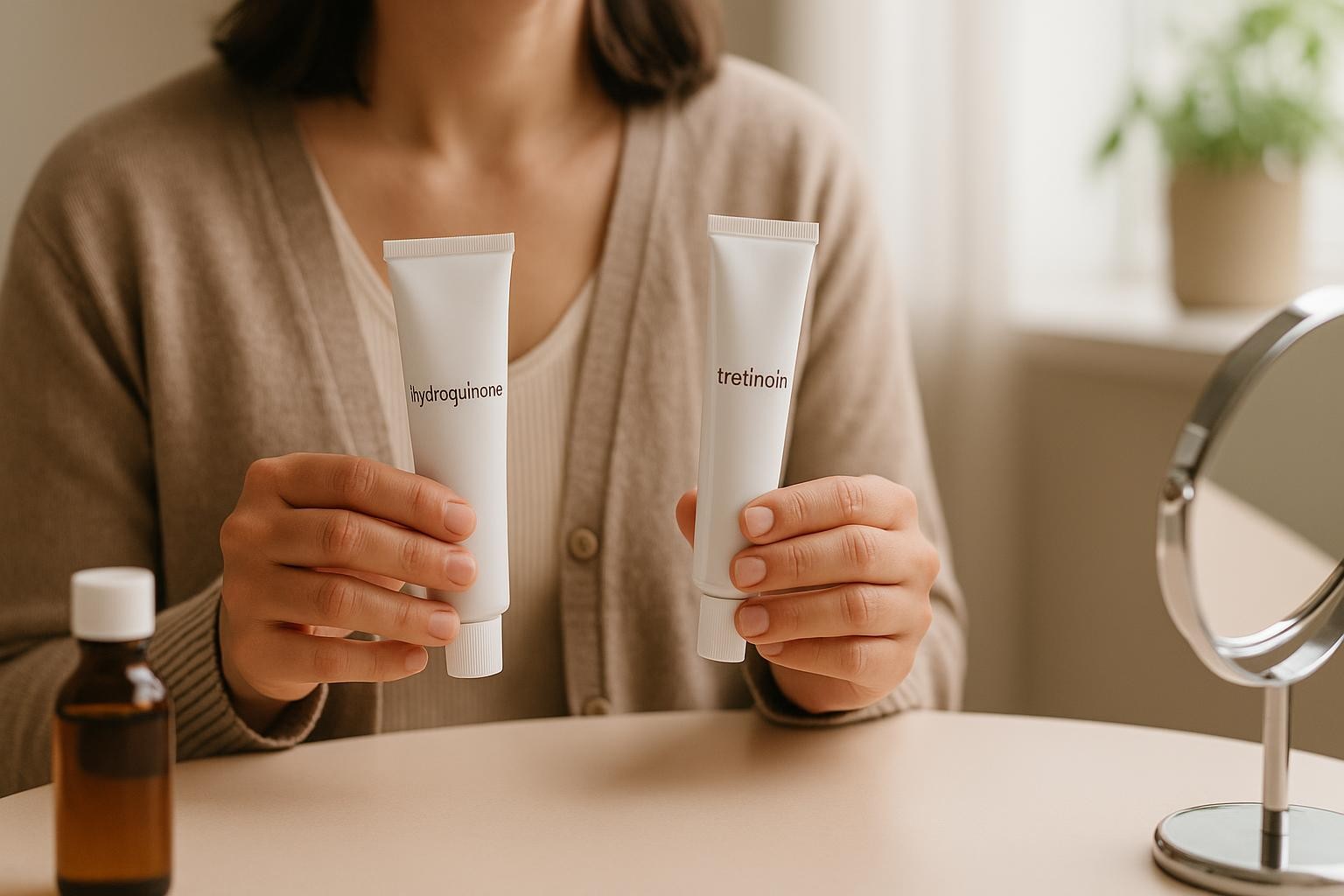
Hydroquinone vs Tretinoin for Dark Spots: Which to Get
Dark spots and melasma do not all respond to the same cream. See how hydroquinone and tretinoin compare, what the science shows, and how to get a prescription online without leaving home.
Hydroquinone Prescription Online: What the Visit Looks Like
Thinking about getting prescription hydroquinone online? This guide walks you through every screen of the virtual visit, what the provider looks for, how long approval takes, and ways to save on your first tube.
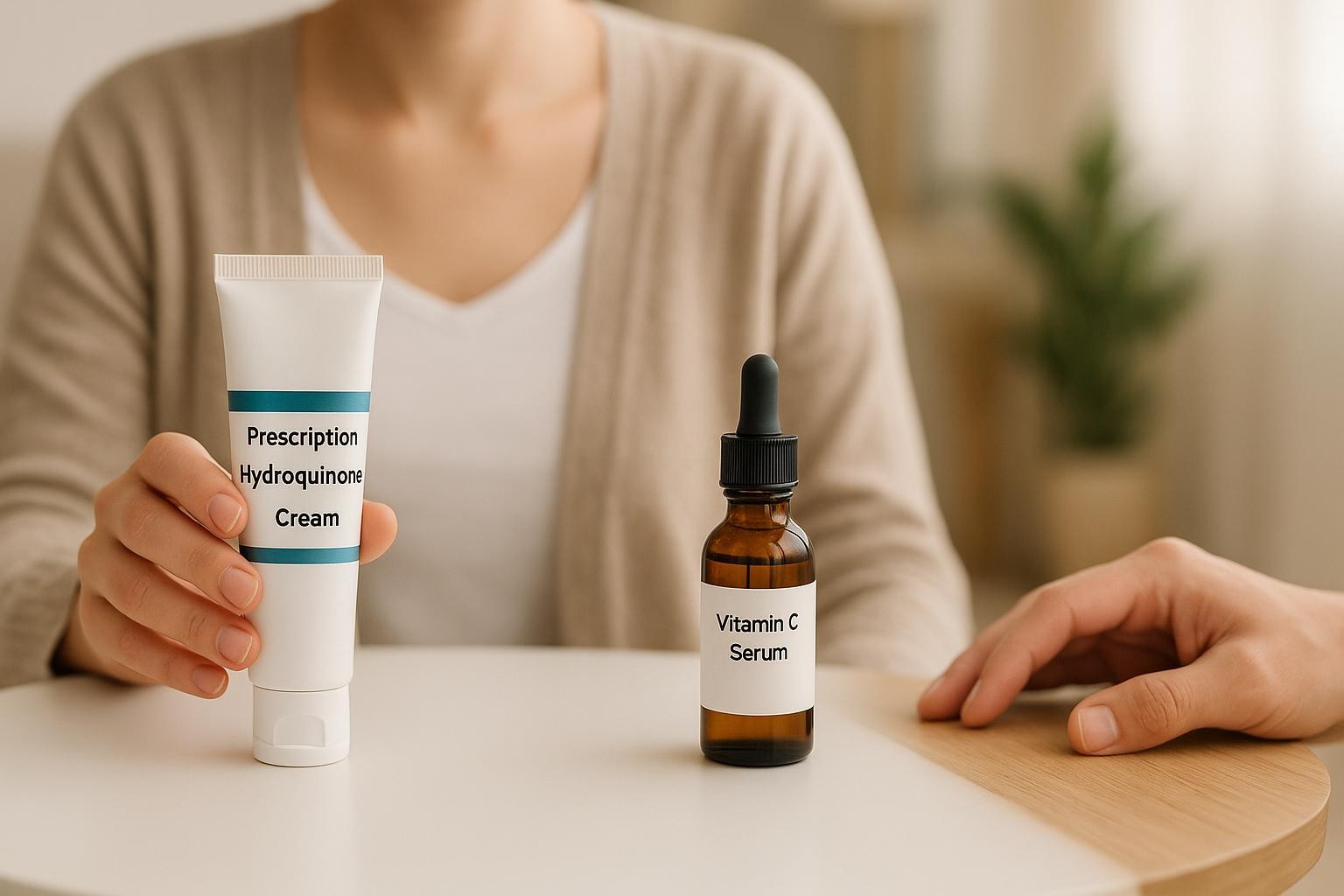
Hydroquinone vs Vitamin C Serum: Prescription vs Over the Counter
Prescription-strength hydroquinone remains the gold-standard skin-lightening medicine, but high-dose vitamin C serums are a gentler OTC alternative. This guide compares how each works, how long results take, side-effect risks, and the easiest way to get hydroquinone online.
Hydroquinone Cream for Melasma: Which Prescription Formula Fits
Wondering which prescription hydroquinone formula will fade your melasma fastest? This guide compares plain 4 % cream with triple-combination options, explains safety tips, and shows how to start treatment online with Rx.com.
Prescription Cream for Hyperpigmentation: Options and How to Get One
Prescription-strength creams can fade stubborn hyperpigmentation that over-the-counter products leave behind. Learn how 4 percent hydroquinone works, other ingredients doctors use, expected results, safety tips, and how to request a prescription online through Rx.com.
How Much Hydroquinone Cream Do You Need? Tube Sizes and How Long They Last
Wondering if one tube of hydroquinone will cover your entire melasma treatment? This guide explains the standard 1-oz tube size, how long it usually lasts, what affects usage, and where to get prescription hydroquinone online.
Does Insurance Cover Hydroquinone? Coverage and Cash Options
Wondering whether your health plan will cover prescription hydroquinone or if you’ll have to pay cash? This guide explains how insurers decide, typical copays, cash prices, and smart ways to save, including a free discount card and online options from Rx.com.
Hydroquinone for Freckles: Does It Work and Is It Worth It?
Freckles are harmless sun-triggered spots, but many people still want them lighter. This guide shows how prescription hydroquinone targets excess pigment, what kind of results to expect, safety tips, and the easiest way to get a dermatologist-strength blend online through Rx.com (coming soon).
Hydroquinone and Ochronosis: Risks and Warning Signs
Hydroquinone is the most effective prescription skin-lightening ingredient, but long-term or unsupervised use can trigger exogenous ochronosis, a hard-to-treat slate-gray discoloration. Discover who is at risk, the red flags to watch for, and how to use hydroquinone safely under a dermatologist’s guidance.
Can You Use Hydroquinone While Pregnant or Breastfeeding?
Is hydroquinone safe during pregnancy or breastfeeding? This evidence-based guide explains the FDA pregnancy category, how much of the cream is absorbed, and safer ways to treat melasma until after delivery.
Why Hydroquinone Is Used in Cycles: On-and-Off Treatment Explained
Hydroquinone is highly effective for melasma and dark spots, but most providers limit continuous use to a few months at a time. This guide explains why cycling matters, what a typical on-off schedule looks like, and how to maintain results between courses.
Hydroquinone for Dark Underarms and Inner Thighs
Body folds such as the underarms and inner thighs can darken from friction, hormones or medical conditions. Learn what causes the discoloration, when hydroquinone is appropriate, safety tips for thin skin, and how to start an online prescription with Rx.com.
Tretinoin for Wrinkles: Before and After Results for Anti-Aging
Prescription tretinoin is the only FDA-approved topical medicine proven to reverse photoaging. Learn how quickly it works on fine vs deep wrinkles, common side effects, and the safest way to get a prescription online.
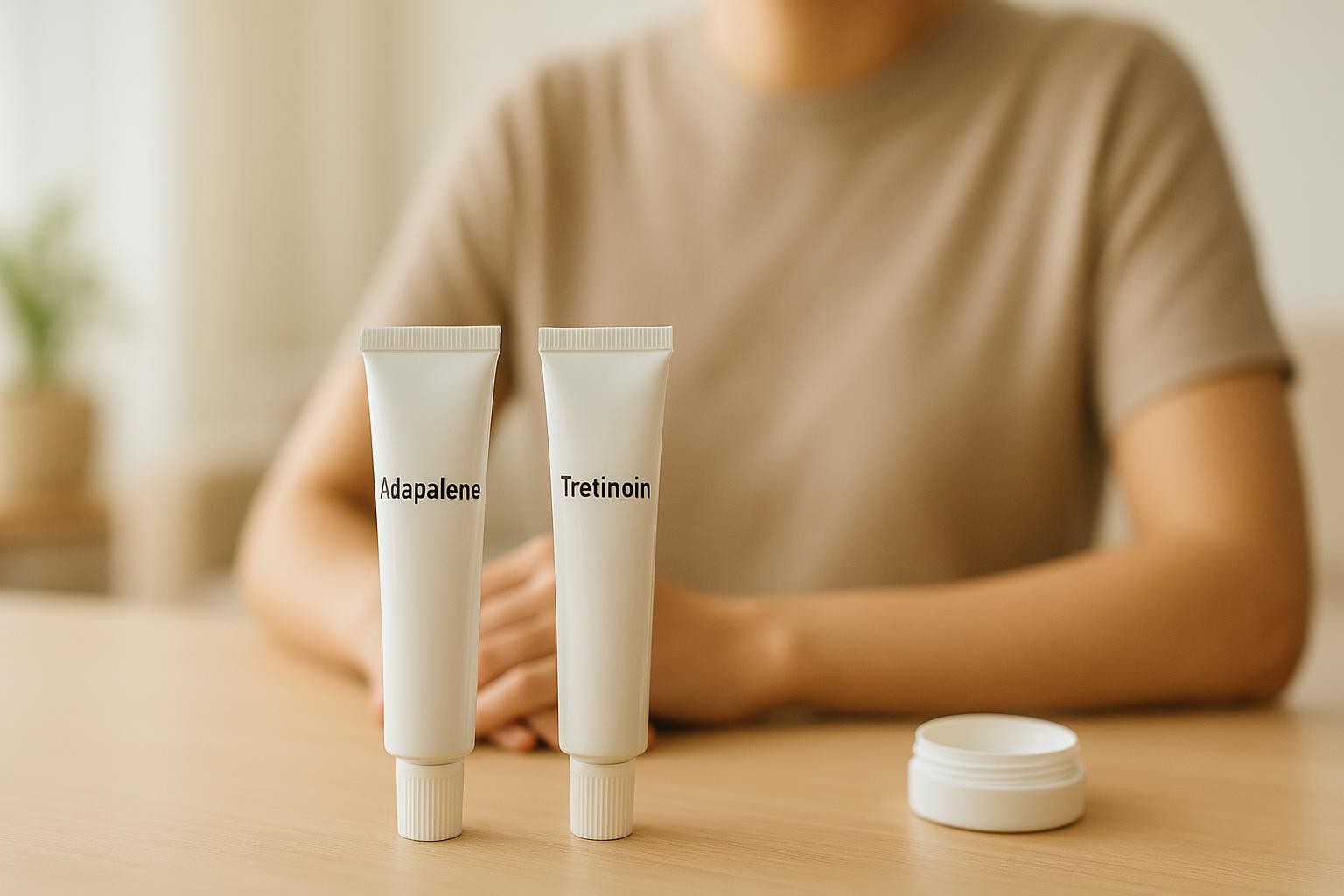
Adapalene vs Tretinoin: Which Retinoid Is Right for You?
Over-the-counter adapalene and prescription tretinoin are both topical retinoids that clear pores and smooth fine lines, but they differ in strength, irritation potential, and cost. This guide breaks down the science and shows when each option makes sense.
Hydroquinone vs Tranexamic Acid for Melasma
Trying to decide between hydroquinone cream and tranexamic acid for stubborn melasma? This guide compares how each ingredient works, their results and side-effect profiles, and shows how to start a prescription for hydroquinone online through Rx.com.
Hydroquinone vs Retinol for Dark Spots: Prescription vs Over the Counter
Prescription hydroquinone is still the gold-standard fade cream, but retinol can help if you are not ready for a prescription. This guide explains how each works, results you can expect, safety tips, and the easiest way to start hydroquinone care online.
Does Tretinoin Help Acne Scars? What It Can and Cannot Fix
Topical tretinoin can speed the fading of dark post-acne marks and smooth very shallow texture, but it cannot fill ice-pick or box-car scars on its own. Learn the science, timelines, and best next steps, plus how to get prescription tretinoin online through Rx.com (coming soon).
What Is Hydroquinone? How It Works on Pigment
Hydroquinone is the gold-standard prescription ingredient dermatologists use to fade melasma, sun spots, and other dark patches. Learn how it works, what to expect, and the safest way to start treatment with help from Rx.com.
💊
Hydroquinone and Tretinoin Cream: Getting the Combination Prescribed
Hydroquinone and tretinoin work better together than alone against melasma and other dark spots. This guide explains the science, safety, and simplest paths to a prescription, including how to start your visit on Rx.com today.
Hydroquinone Serum vs Cream: Which Form to Ask For
Trying to fade melasma or dark spots? We compare prescription-strength hydroquinone cream with newer depigmenting serums, share clinical data, and explain how to ask your provider for the format that fits your skin and lifestyle.
Hydroquinone and Tretinoin Cream: How Combination Fade Creams Work
Triple-combination fade creams that pair hydroquinone with tretinoin and a mild steroid remain the gold-standard for melasma. This guide explains how they work, what results to expect, safety limits, and how to get a prescription blend through Rx.com’s upcoming dermatology service.
What to Look for in a Hydroquinone Cream for Dark Spots
Prescription hydroquinone remains the gold-standard fade cream for stubborn dark spots, but concentration and supporting ingredients matter. This guide explains how hydroquinone works, which formulas dermatologists trust, and why post-2020 OTC products that claim to contain hydroquinone are illegal in the United States.
Hydroquinone Before and After: Realistic Results for Dark Spots and Melasma
Wondering how much hydroquinone can lighten dark spots? This guide shows the week-by-week changes most people see, explains why pigment can return, and shares dermatologist-backed tips to keep results lasting.
Prescription Dark Spot Treatment: What a Provider Can Prescribe
Prescription hydroquinone 4 percent cream is still the gold-standard way to fade stubborn dark spots, melasma and post-inflammatory hyperpigmentation. Learn how it works, how long results take, who should avoid it, and the safest way to get a prescription online.
Hydroquinone Side Effects: What Is Normal and What Is Not
Hydroquinone lightens dark spots, but it can sting, peel, or rarely cause ochronosis. This guide explains what is normal, what is not, and how to protect your skin.
Is Hydroquinone Safe? The Bans, the Cancer Questions and the Evidence
Hydroquinone is the gold-standard prescription ingredient for fading dark spots, but headlines about bans and cancer can be confusing. This guide breaks down the EU cosmetic ban, the 2020 U.S. OTC change, what animal and human studies actually show, and how to use hydroquinone safely under a dermatologist’s or online provider’s care.
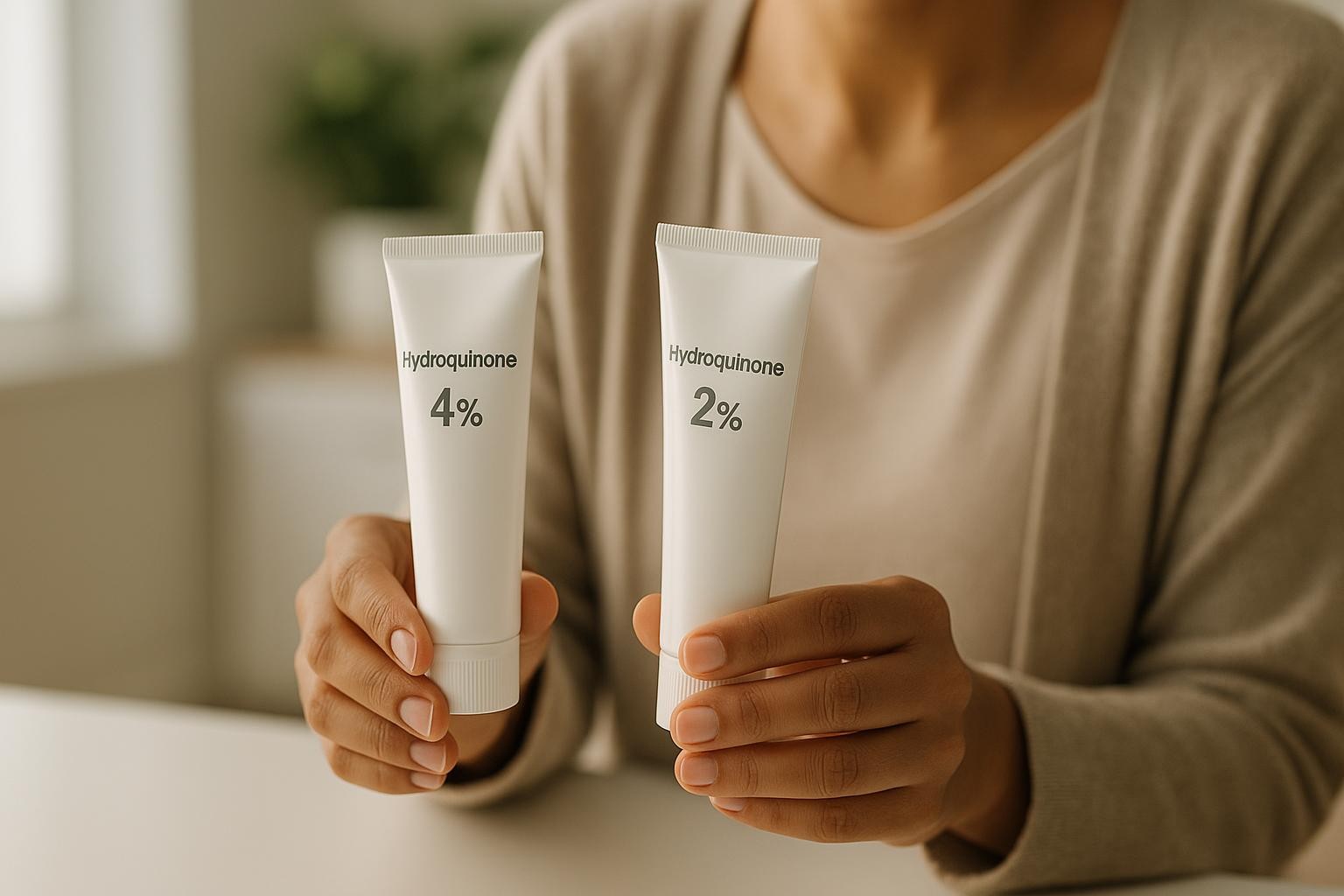
Hydroquinone 4% vs 2%: What Prescription Strength Means
Hydroquinone 4% cream remains the gold-standard prescription fade cream, while 2% hydroquinone was removed from U.S. store shelves in 2020. This guide compares strengths, explains who needs which, and shows how to get customized hydroquinone blends from Rx.com.
Kojic Acid vs Hydroquinone: Which Fades Dark Spots Better?
Wondering whether kojic acid or hydroquinone is the better choice for stubborn dark spots? This guide breaks down how each ingredient works, what the research shows, side-by-side safety comparisons, and when dermatologists combine them. Learn the pros, cons, and next steps for getting prescription hydroquinone online.
Tri-Luma Alternatives for Melasma: Your Options in 2026
Tri-Luma is the only FDA-approved cream containing hydroquinone. Here is what is in it, why people look elsewhere, and the prescription and non-prescription alternatives for melasma.
Can You Still Buy Hydroquinone Over the Counter?
Hydroquinone is no longer legally sold over the counter in the US. Here is what the 2020 CARES Act changed, why the FDA warns against OTC skin lighteners, and how to get hydroquinone legally.
Hydroquinone 4% Cream: Cost and How to Get a Prescription
Hydroquinone 4% cream is a low-cost generic, but cash prices vary by pharmacy. Here is what a tube costs, whether insurance covers it, and how to get a prescription.
Hydroquinone for Melasma: How to Use It and What to Expect
Hydroquinone remains dermatologists’ gold-standard topical for stubborn melasma. This guide explains how it works, realistic fading timelines, side-effect warning signs, and smart ways to use it-alone or with tretinoin-while saving on your prescription with Rx.com.
How Long Does Tretinoin Take to Work? The Real Timeline
New to tretinoin? Expect breakouts to look worse before they improve. This guide walks through the real timeline-what happens each week, how to minimize irritation, and the earliest point you’ll see smoother, clearer, younger-looking skin.
What Is the Glow Peptide (GHK-Cu)? Benefits & How It Works.
What is the glow peptide? Learn how GHK-Cu (copper peptide) supports collagen, fine lines, and skin healing — in serums and injectable wellness stacks — plus the risks and facts.
¿Buscando esta página en español?

Related Drugs

Browse more medications: starting with H · full A-Z directory · by condition · common drugs

Medical disclaimer: This information is provided for general educational purposes only and is not medical advice. It is not a substitute for professional diagnosis or treatment. Always consult a licensed physician, pharmacist, or other qualified healthcare provider before starting, stopping, or changing any medication or treatment. Never disregard professional medical advice or delay seeking it because of something you read here. If you think you may have a medical emergency, call your doctor or 911 immediately.


Don't Miss Out On Savings!